
Should I Sell My Rental Property or Keep Renting It Out in Hartford, CT?
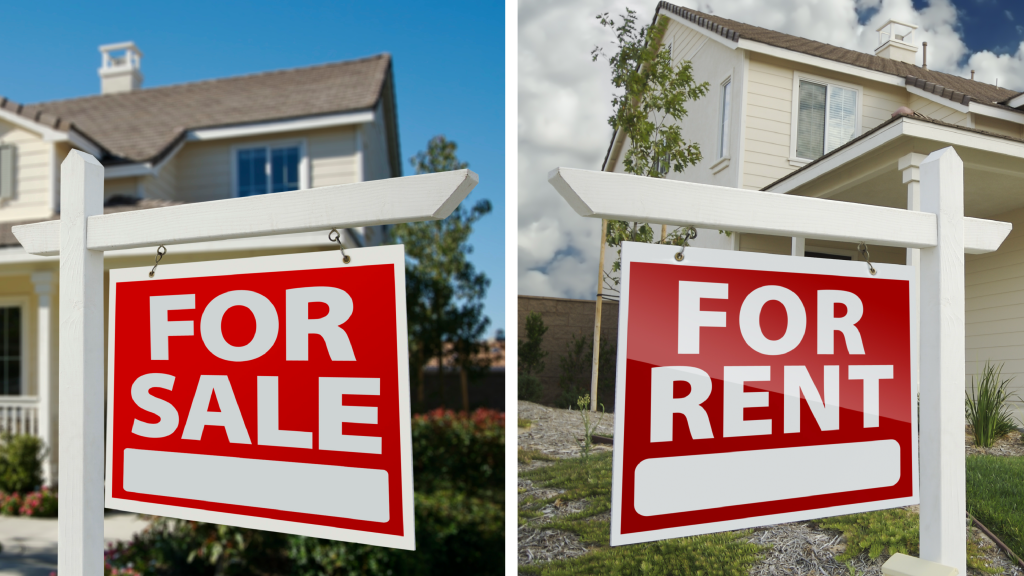
Owning a rental property in Hartford, CT can be a smart long-term investment, but it is not always the right choice forever. A rental home can generate monthly income, build equity, and create future wealth. At the same time, it can also bring repairs, vacancies, tenant problems, rising expenses, and landlord stress.
So, should you sell your rental property or keep renting it out in Hartford, CT?
The answer depends on your cash flow, property condition, tenant situation, long-term financial goals, and how much time or stress you are willing to handle. If the property is producing steady profit, has reliable tenants, and does not need major repairs, keeping it may be the better option. But if the property is losing money, becoming difficult to manage, or needs expensive repairs, selling may be the smarter move.
This guide breaks down the main things Hartford rental property owners should consider before deciding whether to sell or keep renting.
Quick Answer: Should You Sell or Keep Renting?
You may want to keep renting out your Hartford property if it creates reliable monthly profit, has good tenants, and supports your long-term investment goals. You may want to sell if the property has become expensive, stressful, vacant, damaged, or no longer fits your financial plans.
| Situation | Better Option | Why It Matters |
|---|---|---|
| Strong monthly cash flow | Keep renting | The property is still producing income |
| Major repairs are needed | Sell | Repairs can reduce or erase profit |
| Reliable tenants are in place | Keep renting | Stable tenants lower vacancy risk |
| Tenants are difficult or not paying | Sell | Tenant problems can become costly |
| Property value has increased | Sell | You may be able to cash out equity |
| You want long-term passive income | Keep renting | Rental income can support future goals |
| You need money quickly | Sell | A sale can free up cash |
| You are tired of managing tenants | Sell | Reduces stress and responsibility |
Start With the Real Cash Flow
Many landlords only look at monthly rent, but rent is not the same as profit. A property may bring in rent every month and still be a weak investment after expenses.
To understand whether your Hartford rental is worth keeping, calculate your true net cash flow. This means subtracting all monthly and yearly costs from the rent you collect.
Common expenses include the mortgage, property taxes, insurance, repairs, maintenance, utilities, vacancy periods, property management fees, legal costs, and emergency repairs. You should also consider future costs, not just current bills.
For example, a property may look profitable today, but if it needs a new roof, heating system, plumbing work, or electrical updates soon, your real profit may be much lower than it appears.
| Cash Flow Item | Monthly Estimate |
|---|---|
| Rent collected | $_____ |
| Mortgage payment | $_____ |
| Property taxes | $_____ |
| Insurance | $_____ |
| Repairs and maintenance | $_____ |
| Vacancy reserve | $_____ |
| Property management | $_____ |
| Net monthly profit | $_____ |
If your rental property produces strong positive cash flow after all expenses, keeping it may make sense. But if the property barely breaks even or loses money, selling may be a better financial decision.
Look at the Property Condition
Property condition is one of the biggest factors in deciding whether to sell or keep renting. Rental properties usually experience more wear and tear than owner-occupied homes. Even good tenants can create normal damage over time.
In Hartford, older homes may come with aging roofs, outdated plumbing, older electrical systems, heating issues, water damage, or general maintenance needs. These repairs can become expensive quickly.
Minor repairs may be manageable if the property is still profitable. But major repairs can change the entire investment picture.
Common Repairs That Can Affect Your Decision
Major repairs that may push landlords toward selling include:
- Roof replacement
- Furnace or heating system replacement
- Plumbing problems
- Electrical upgrades
- Foundation issues
- Water damage
- Mold concerns
- Window replacement
- Kitchen or bathroom updates
- Exterior repairs
- Code or safety issues
If the property needs major work and you do not want to invest more money into it, selling the rental property as-is may be a practical option. This is especially true if repairs would cost more than the income you expect to earn from future rent.
Consider the Tenant Situation
Tenants can make or break a rental property investment. A good tenant pays on time, follows the lease, takes care of the property, and communicates well. A difficult tenant can create stress, damage, late payments, legal concerns, and lost income.
If you currently have reliable tenants in your Hartford rental property, keeping the property may be easier. Stable tenants reduce vacancy risk and help keep income predictable.
However, if you are dealing with repeated late payments, lease violations, property damage, complaints, or eviction concerns, selling may become more attractive.
Can You Sell a Rental Property With Tenants in Hartford, CT?
Yes, you can often sell a rental property with tenants in place. However, the sale may depend on the lease terms, tenant cooperation, buyer expectations, and whether the buyer wants the property as a rental or as a personal residence.
Some buyers prefer vacant properties. Other buyers, especially investors, may be open to purchasing tenant-occupied homes. If the property already has tenants and rental income, it may be attractive to another landlord or real estate investor.
Before selling, review the lease agreement carefully and understand tenant-related responsibilities. Connecticut rental owners can review general landlord and tenant information through the Connecticut 211 landlord-tenant rights resource.
Think About Your Time and Stress
Rental property ownership is not just about money. It also takes time, attention, and emotional energy.
Even if the property is profitable, it may not be worth keeping if it creates too much stress. Landlords often have to deal with late-night repair calls, tenant complaints, maintenance scheduling, rent collection, inspections, and unexpected expenses.
If you live far from Hartford or no longer want to manage the property, the burden may feel even heavier. Hiring a property manager can help, but that also reduces your monthly profit.
Ask yourself a simple question: Is this rental property helping my life, or is it making my life harder?
If the property still supports your goals and does not create too much stress, keeping it may be the right choice. If it feels like a constant problem, selling may give you financial and personal relief.
Review the Hartford Market and Your Long-Term Goals
Your decision should also depend on your long-term plans. Some landlords want steady rental income for retirement. Others want to build equity and hold property for many years. Some owners simply want to cash out and move on.
If your Hartford rental property has increased in value, selling could allow you to access equity and use that money for other goals. You might pay off debt, buy another investment, fund a move, handle family expenses, or invest in a different property.
On the other hand, if the property is in a strong rental area, is easy to rent, and continues to appreciate, keeping it may be a smart long-term strategy.
There is no one-size-fits-all answer. The best decision depends on whether the property still matches your current financial goals.
Reasons to Keep Renting Out Your Hartford Property
Keeping the rental may be the better option if the property is stable, profitable, and easy to manage.
You may want to keep renting if:
- The property has positive monthly cash flow
- Tenants pay on time
- Repairs are minor and manageable
- The mortgage balance is going down
- The property may increase in value over time
- You want long-term rental income
- You are comfortable being a landlord
- You have a reliable property manager
- The home is in a desirable rental area
- You do not need cash immediately
Keeping the property can also help you continue building equity. Each mortgage payment may reduce your loan balance while the property continues to produce rental income. Over time, this can create a stronger financial position.
However, the benefits only matter if the property remains manageable and profitable.
Reasons to Sell Your Rental Property
Selling may be the better option if the rental has become a financial burden or personal headache.
You may want to sell if:
- The property is losing money
- Repairs are becoming too expensive
- You have problem tenants
- The home is vacant often
- You are tired of being a landlord
- You want to cash out equity
- You inherited the property and do not want to manage it
- You live far away
- The property needs major updates
- You want to simplify your finances
Selling can also help you avoid future uncertainty. A rental property that looks manageable today can become more expensive if major repairs appear later. If you already know the property needs work, waiting may increase your costs.
If these signs sound familiar, your next step is learning How to Sell a Rental Property in Central Connecticut so you can compare your selling options and decide whether selling makes more sense than keeping the property.
Sell As-Is or Fix Before Selling?
One major question landlords ask is whether they should repair the rental before selling.
The answer depends on the repair costs, property value, buyer demand, and your timeline. If small repairs can improve the sale price, they may be worth doing. But if the property needs major work, selling as-is may be better.
| Option | Best For | Possible Downside |
|---|---|---|
| Make repairs before selling | Homes needing minor updates | Requires time and money upfront |
| List on the open market | Homes in good condition | May take longer and require showings |
| Sell as-is | Homes needing repairs or tenant issues | Sale price may be lower than retail |
| Sell to an investor | Landlords wanting a simpler sale | Offer may reflect repair costs |
Selling as-is can be useful if you do not want to repair damage, remove tenants, clean out the property, or wait through a traditional listing process. It can also help landlords who want a simpler exit from a stressful rental.
Tax Considerations Before Selling
Before selling a rental property in Hartford, CT, it is important to think about taxes. Selling an investment property may create capital gains taxes, depreciation recapture, or other tax consequences.
This does not mean selling is a bad idea. It simply means you should understand the numbers before making a final decision.
The IRS provides rental property tax guidance in Publication 527, Residential Rental Property, which explains rental income, expenses, depreciation, and related reporting topics.
A tax professional can help you estimate your possible tax responsibility and compare it with the benefits of selling. Do not base your decision only on the sale price. Look at your after-tax result, repair costs, future rental income, and personal goals.
Ask These Questions Before You Decide
Before choosing whether to sell or keep renting, ask yourself:
Is the property making real profit?
Look beyond rent. Calculate profit after all expenses, including future repairs and vacancy risk.
Are the tenants reliable?
Good tenants can make keeping the property easier. Difficult tenants may make selling more appealing.
What major repairs are coming?
If the home needs a roof, heating system, plumbing repairs, or structural work, selling may be worth considering.
Do I still want to be a landlord?
Your time, stress level, and lifestyle matter. A profitable property may still not be worth the hassle.
Could I use the money better somewhere else?
If selling allows you to pay debt, invest elsewhere, or simplify your finances, it may be the better choice.
What is the property worth now?
If values have increased, it may be a good time to cash out.
FAQs
Q. Should I sell my rental property or keep renting it out in Hartford, CT?
You should sell if the property is losing money, needs major repairs, or causes too much landlord stress. Keeping it may be better if it has strong cash flow, reliable tenants, and low maintenance costs.
Q. Is it worth keeping a rental property in Hartford, CT?
It may be worth keeping if the rent covers your mortgage, taxes, insurance, repairs, and still leaves monthly profit. If the property barely breaks even or loses money, selling may be the smarter choice.
Q. Can I sell a rental property with tenants in Hartford, CT?
Yes, you can often sell a rental property with tenants in Hartford, CT. The lease terms, tenant cooperation, and buyer type can affect how simple or difficult the sale becomes.
Q. Can I sell my Hartford rental property as-is?
Yes, many Hartford rental properties can be sold as-is, especially if they need repairs or already have tenants. Selling as-is can help you avoid renovation costs, cleaning, and long listing delays.
Q. What are the signs I should sell my rental property?
Common signs include negative cash flow, frequent repairs, long vacancies, problem tenants, rising expenses, or landlord burnout. If the property no longer supports your goals, selling may make sense.
Q. Should I fix my rental property before selling it?
Small repairs may help if you plan to list traditionally, but major repairs can be expensive and time-consuming. If you want to avoid upfront costs, selling the rental property as-is may be a better option.
Final Decision: Sell or Keep Renting?
You should keep renting out your Hartford rental property if it produces steady profit, has reliable tenants, needs only minor repairs, and supports your long-term financial goals.
But if the property has become stressful, expensive, vacant, damaged, difficult to manage, or no longer profitable, selling may be the smarter move. For many landlords, the right decision comes down to three main factors: cash flow, property condition, and personal goals.
If you are ready to stop dealing with repairs, tenants, vacancies, or landlord stress, Paul H. Buys Houses can help you sell your Hartford rental property as-is. You do not need to make repairs, clean out the home, or wait months for a traditional sale. Instead, you can request a fair cash offer and choose the closing timeline that works best for you.
The best choice is the one that protects your money, reduces unnecessary stress, and fits your future plans. If selling gives you more freedom and peace of mind, it may be the right time to move forward.