
Selling a Home with Termite Infestation in Ellington, CT: Complete Guide
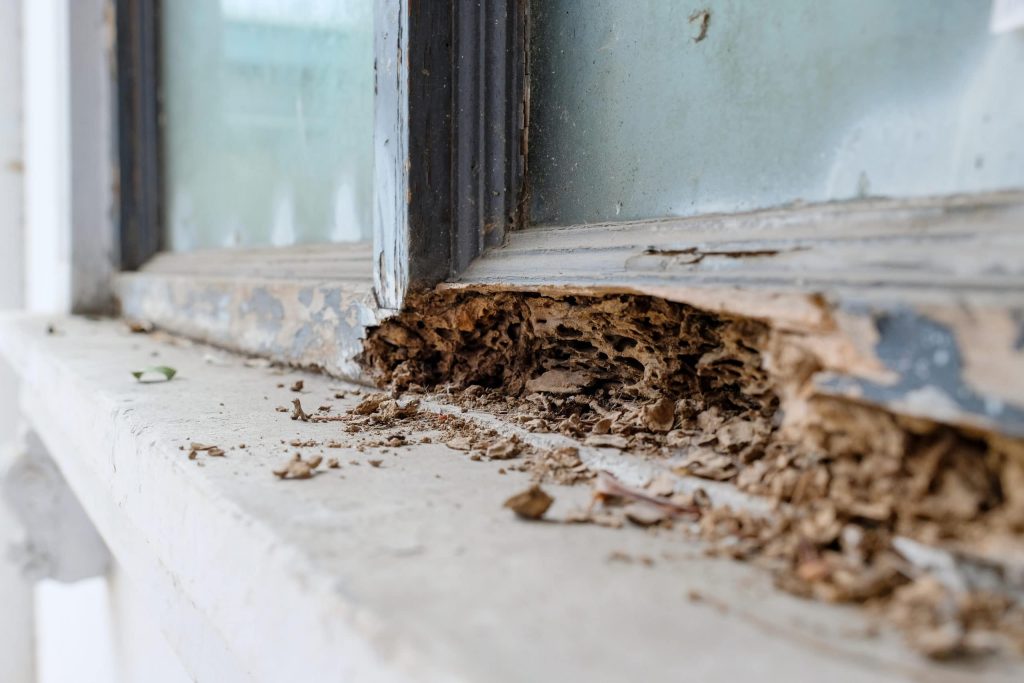
Selling a home with termite infestation can seem daunting, but it’s far from impossible. If you’re a homeowner in Ellington, CT, facing termite damage, it’s important to fully understand the situation and know your options before putting your house on the market. Termite damage can affect your home’s value, but how you approach the situation will greatly determine the success of your sale.
In this comprehensive guide, we’ll cover everything you need to know about selling a home with termite infestation in Ellington, CT, from identifying termite damage to understanding your legal responsibilities and how to handle the sale.
Understanding Termite Infestation
What Are Termites?
Termites are small, wood-eating insects that cause significant damage to homes by feeding on wood, drywall, and other cellulose materials. While termites play an essential ecological role in decomposing dead wood in forests, their presence in a home can lead to costly damage. In Connecticut, two main types of termites are commonly found: subterranean termites and drywood termites.
- Subterranean Termites: These termites live in the ground and enter homes through cracks in foundations or by traveling up utility lines. They are the most common type of termites found in Connecticut.
- Drywood Termites: These termites typically live inside the wood they consume and are less common in colder climates like Connecticut. They are more likely to infest structures in warmer areas.
For more information on identifying termites and understanding their behaviors, you can visit the PestWorld Termite Guide.
How to Identify a Termite Infestation
Early identification of termite damage is key to understanding the extent of the problem. Common signs of termite infestation include:
- Hollow-sounding wood: If you tap on wood and it sounds hollow, it could indicate termite activity inside.
- Mud tubes: Subterranean termites build mud tubes on walls or foundations as protective tunnels to travel through.
- Discarded wings: After mating, termites shed their wings, and you may find them around windows or doors.
- Frass: Drywood termites leave behind frass, a powdery substance that looks like sawdust, near the areas they infest.
If you notice any of these signs, it’s important to schedule a professional termite inspection to assess the severity of the damage.
The Impact of Termites on Your Property
Termite damage can be serious, especially if left untreated. The primary concern is structural integrity. Over time, termites can weaken the foundation, beams, and other load-bearing structures, leading to significant repair costs. In some cases, homes may become unsafe to live in if the damage is extensive enough.
Termite damage also affects the aesthetic appeal of your property. Wallpaper, wood paneling, and flooring can become unsightly as termites gnaw at the material. This can be especially problematic when selling a home.
Is It Possible to Sell a Home with Termite Damage?
Legal Considerations in Ellington, CT
In Connecticut, homeowners are legally required to disclose any known termite infestations or damage when selling their home. Failure to disclose such issues could result in legal trouble or a lawsuit down the road. Most real estate contracts in Connecticut include a disclosure form where sellers must report the presence of termites.
It’s important to be honest about the infestation and, if applicable, provide records of any treatment or repairs made. While the presence of termites may lower your sale price, full disclosure is crucial for a transparent and successful sale.
For more details on legal disclosure requirements when selling your home in Connecticut, check out Nolo’s Guide on Disclosure Obligations.
How Buyers View Homes with Termite Damage
Many buyers are hesitant to purchase a home with a termite infestation due to the potential costs of repairs. However, some buyers may be open to negotiating a lower price if they’re willing to invest in pest control and repairs themselves. It’s important to know that termite damage can significantly reduce your property’s value, often by 10% to 15%, depending on the severity of the infestation.
Buyers may also request that you treat the termites before closing or negotiate a lower offer to cover the cost of repairs. Understanding how termite damage affects a buyer’s decision-making is essential to setting expectations.
Selling to Cash Buyers vs. Traditional Buyers
One of the most straightforward ways to sell a home with termite damage is to sell to a cash buyer. Cash buyers are often more willing to take on homes with problems like termite infestations because they don’t rely on traditional financing, which requires inspections and appraisals. If you choose to sell to a cash buyer, the process can be quicker and simpler, although the offer you receive may be lower than you would get from a traditional buyer.
On the other hand, traditional buyers may request that you fix the termite damage before moving forward with the purchase. They may also want a reduction in price or may back out of the deal entirely if the infestation is discovered during an inspection.
Dealing with Termite Infestation Before Listing the Property
Should You Repair the Termite Damage Before Selling?
Repairing termite damage before selling can help improve the overall appearance of your property and increase its appeal to buyers. However, it’s important to weigh the cost of repairs against the potential return on investment. Termite damage repairs can be expensive, and you might not recoup the full cost in the sale price.
If the damage is severe, it might make sense to repair it. For minor damage, however, it may be best to sell the home “as-is” and negotiate the sale price accordingly.
For a breakdown of termite damage repair costs, you can refer to the Angi Termite Damage Repair Cost Guide.
How to Treat a Termite Infestation
If you decide to treat the termite infestation before listing your home, you have a few options:
- Professional Termite Treatment: This is the most reliable solution. Pest control experts will conduct a thorough inspection, treat the infestation, and often offer a warranty for the work done. The cost of treatment varies but typically ranges from $1,000 to $3,000, depending on the size of the infestation and the treatment method used.
- DIY Treatment: For minor infestations, homeowners may opt to treat termites themselves using sprays or bait systems. DIY options are cheaper but may not offer long-term solutions.
Do It Yourself: When and How to DIY Termite Treatment
If the infestation is relatively minor, DIY treatment might be sufficient. Common methods include:
- Liquid Termite Treatments: Available at most home improvement stores, these treatments can be applied to areas where termites are active.
- Baiting Systems: These involve setting traps to lure termites into a bait that kills them.
While DIY methods may save money upfront, they are typically less effective than professional treatments and can leave the infestation unresolved.
Selling “As-Is” vs. Fully Repairing the Termite Damage
The “As-Is” Selling Option
Selling your home as-is means you won’t make any repairs before listing it. This option may be appealing if you don’t have the time, money, or resources to handle termite repairs. However, you’ll likely need to price the home lower than similar homes in the area that are free from termite damage.
Some buyers may see an as-is sale as an opportunity to get a good deal, while others may be deterred by the possibility of additional repairs. In either case, be prepared for lower offers and longer time on the market.
The Fully Repaired Option
If you choose to repair the termite damage, the home may sell more quickly and for a higher price. Repairs can improve the home’s appeal and help buyers feel more confident about the property. However, you’ll need to factor in the cost of treatment and repairs, which can range from hundreds to thousands of dollars depending on the extent of the damage.
If the infestation is extensive, it might be worth it to make the repairs before selling. In some cases, addressing the issue before listing can help you avoid negotiations with buyers and the possibility of a deal falling through.
Working with a Real Estate Agent in Ellington, CT
Choosing a Real Estate Agent Who Understands Termite Issues
Not all real estate agents are experienced with properties that have termite infestations. When selecting an agent, it’s important to choose someone who understands the complexities of selling a home with termite damage. A good agent can help you set the right price, market the home effectively, and navigate the negotiations.
Tips for Listing a Home with Termite Infestation
When listing a home with termite damage, transparency is key. Be upfront with potential buyers about the issue, and provide documentation of any treatments or repairs you’ve made. A strong listing description will explain the steps taken to address the infestation and emphasize the home’s other desirable features.
The Impact of Termite Infestation on Property Value
How Termite Damage Affects Home Value
Termite damage can reduce the value of a home, typically by 10% to 15%. However, the exact impact depends on the severity of the damage. In some cases, severe infestations can cause a significant reduction in value, while minor damage might only lead to a slight decrease in price.
Can Termite Damage Be Fixed to Increase Home Value?
Repairing termite damage before listing your home can help restore its value. However, it’s important to assess the cost of repairs and determine if it’s worth the investment. Depending on the market conditions and the extent of the damage, you may be able to recover some or all of the repair costs in the sale price.
Negotiating Offers: What You Need to Know
Handling Offers from Buyers
Once you receive offers, you’ll need to navigate the negotiation process carefully. Buyers may ask for a price reduction or request that you address the termite issue before closing. If you’re not able to make repairs, you can consider offering a price reduction to compensate for the cost of treatment and repairs.
Closing the Deal: What Happens After Acceptance of an Offer
Once you accept an offer, the buyer will likely request a professional inspection. If the termite damage is confirmed, they may ask for repairs or attempt to renegotiate the price. Be prepared to either offer a reduction in price or address any outstanding issues before closing.
Frequently Asked Questions (FAQs)
Q1. Can I sell my home with termite damage in Ellington, CT?
Yes, you can sell your home with termite damage in Ellington, CT. However, you must disclose the infestation to potential buyers, as required by Connecticut law. While it may lower the sale price, full disclosure ensures a smoother transaction.
Q2. What happens if I don’t disclose termite damage when selling in Ellington, CT?
Failure to disclose termite damage can lead to legal consequences in Ellington, CT, including lawsuits or a loss of trust from the buyer. Connecticut law mandates full disclosure of any significant issues, including pest infestations.
Q3. How do I handle a buyer who requests termite repairs before closing in Ellington, CT?
If a buyer requests termite repairs, you can either agree to make the repairs, offer a price reduction, or negotiate other terms. In Ellington, many buyers will also ask for a pest control warranty as part of the agreement.
Q4. Should I fix termite damage before selling my house in Ellington, CT?
It’s advisable to fix significant termite damage before selling in Ellington, CT. Repairs can help boost the property’s value, reduce buyer concerns, and potentially lead to a quicker sale.
Q5. How much does termite damage repair cost in Ellington, CT?
The cost of termite damage repair in Ellington, CT, can vary depending on the severity of the damage. Typically, professional treatments range from $1,000 to $3,000, with repair costs for structural damage potentially exceeding $5,000.
Q6. Can termite damage affect the value of my home in Ellington, CT?
Yes, termite damage can reduce the value of your home in Ellington, CT, by 10% to 15%, depending on the extent of the damage. Buyers will often factor in the cost of repairs when making an offer.
Key Takeaways
Selling a home with termite infestation in Ellington, CT, can be challenging, but with the right approach, it doesn’t have to be overwhelming. Whether you decide to repair the damage or sell as-is, being transparent and informed is key to navigating the process smoothly. At Paul H. Buys Houses, we specialize in buying homes in any condition, including those with termite damage. We offer quick, hassle-free cash sales, ensuring you don’t have to worry about expensive repairs or lengthy negotiations.
If you’re ready to sell your home, termite issues and all, we can help. Contact us today to receive a fair, no-obligation cash offer and get your property sold quickly, without the stress of dealing with repairs or the uncertainties of the traditional real estate market. Let Paul H. Buys Houses make the process simple and straightforward, so you can move on to your next chapter with peace of mind.