
Selling a House with Termite History in Enfield, CT: Key Considerations
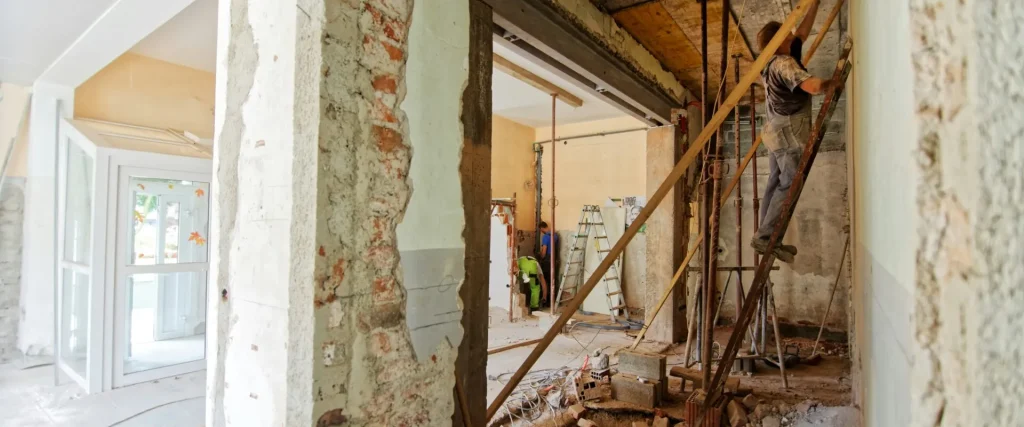
Selling a home is never a simple task, and when your property has a history of termite infestation, it can become even more challenging. Enfield, CT, like many other towns, has its share of real estate transactions where termite damage becomes a significant factor. This article will discuss everything you need to know about selling a home with termite history in Enfield, CT. From understanding termite damage to navigating legal disclosures and pricing strategies, we’ll cover the key considerations to help you make informed decisions.
Understanding Termite Damage: What You Need to Know
What Is Termite Damage?
Termites are small, but their impact can be enormous. They feed on wood, which can weaken the structural integrity of a home over time. If left untreated, termite damage can result in significant repair costs and may even make a property unsafe to live in. Common signs of termite damage include:
- Hollowed-out wood
- Discolored or sagging drywall
- Piles of wings or frass (termite droppings)
While termites don’t always cause immediate damage, they are notorious for being silent destroyers. Their presence might not be noticed until the damage is substantial.
Types of Termites Common in Enfield, CT
In Enfield, CT, the most common termites that might affect your property are:
- Subterranean Termites: These termites live underground and can be difficult to spot. They often build mud tubes to travel between their nest and food source. They are the most destructive termites in the region.
- Drywood Termites: Unlike subterranean termites, drywood termites live inside the wood they consume. They are typically found in wooden structures and furniture and cause localized damage.
- Dampwood Termites: These termites prefer moist wood and are often found in areas with high humidity. They can infest areas with poor ventilation, like basements or crawl spaces.
How Termites Can Devalue Your Property
The presence of termites can greatly affect a home’s market value. Even if the damage is repaired, a property with a history of termite issues may be seen as less desirable to buyers. Buyers may fear that the termites could return or that hidden damage still exists. For sellers, this means the home could either be priced lower than expected, or the sale could take longer due to reduced buyer interest. Therefore, it’s crucial to be upfront about the issue and take steps to resolve it.
Legal and Disclosure Requirements in Enfield, CT
State Laws Regarding Termite Damage Disclosure
In Connecticut, home sellers are required to disclose any known defects or issues with the property, including termite infestations. This is part of the Real Estate Disclosure Act, which mandates that sellers disclose any material defects that could affect the value or safety of the home. When it comes to termites, this means:
- Disclosing any past or present termite activity
- Sharing information about previous treatments or repairs related to termite damage
- Providing copies of any inspection reports or documentation of treatments
Failing to disclose this information can lead to serious legal consequences. In some cases, buyers could pursue legal action for non-disclosure, which could result in fines or even the cancellation of the sale. For more information on Connecticut’s real estate disclosure requirements, visit Nolo’s guide to disclosure obligations in Connecticut.
Consequences of Failing to Disclose Termite History
If you fail to disclose a past termite infestation and the buyer finds out, you could face legal repercussions. Buyers who feel they weren’t fully informed might seek a price reduction or, in extreme cases, cancel the sale altogether. In some cases, they may even be entitled to compensation for any undisclosed damage. Therefore, it is always in the best interest of the seller to be transparent and provide all relevant details.
How Termite Damage Affects Your Home’s Marketability
Buyer Perception and Concerns
When buyers see a house with a history of termite damage, they often have concerns about hidden issues that might not have been fully repaired. Termite damage can compromise the structural integrity of a home, and many buyers are hesitant to invest in a property that might require more repairs down the road. Common concerns include:
- Unseen damage inside walls or floors
- The possibility of future termite infestations
- High repair costs
These concerns can make potential buyers hesitant, even if the damage has been fixed. The key to addressing these concerns is full disclosure and providing evidence that the issue has been professionally handled.
Will a House Sell Faster with Termite Damage Disclosure?
Interestingly, disclosing a past termite infestation early in the sales process can actually help speed up the transaction. Buyers who know about the issue upfront are often more willing to negotiate and proceed with the sale once they are confident that the damage has been repaired and that there are no hidden problems. In fact, many buyers prefer transparency and would rather deal with the issue head-on rather than discovering it later in the process.
Steps to Take Before Listing Your Home
Getting a Termite Inspection
Before listing your home, it’s highly recommended to get a pre-listing termite inspection. This inspection will provide a clear picture of the extent of any damage and whether there are any ongoing issues. The inspector will check for active termites, past damage, and possible entry points. By conducting the inspection before listing, you can:
- Accurately disclose the property’s condition
- Address any repairs or treatments needed
- Avoid delays once the house is under contract
A pre-listing termite inspection helps build trust with buyers, knowing that the house has been thoroughly checked. For more details on termite inspections and what to expect, check out Home Paramount’s Homeowner’s Guide to Termite Inspections.
Repairing Termite Damage
Once you’ve identified any damage, you’ll need to decide whether to repair it before listing or sell as-is. Depending on the severity of the damage, repairs might include:
- Wood Replacement: For mild to moderate damage, replacing the damaged wood might be sufficient.
- Structural Repairs: If the damage affects the foundation or structural beams, more extensive repairs may be necessary.
- Cosmetic Fixes: For visible damage, such as holes or visible frass, cosmetic fixes like patching drywall or repainting might be required.
The cost of repairs can vary, but it’s generally a good idea to address significant damage to avoid scaring off potential buyers.
Termite Treatment and Prevention Services
After addressing the damage, you’ll also want to consider termite prevention treatments. This can involve:
- Chemical treatments to kill termites and prevent future infestations
- Physical barriers like sand or steel mesh to prevent termites from entering
- Regular inspections to ensure the problem doesn’t return
Termite treatments may increase the appeal of the home to buyers by reassuring them that the house is safe from future infestations.
Pricing and Negotiation Tips for Selling a Home with Termite History
How to Set the Right Price
Pricing a home with termite history can be tricky. You’ll need to factor in the cost of repairs, the impact on market value, and the potential for longer time on the market. To set the right price:
- Consider the cost of repairs and treatment
- Research comparable homes in your area
- Account for potential price reductions from buyers looking for discounts
In some cases, you may need to price your home slightly below market value to attract serious buyers who are concerned about the termite history. For expert tips and strategies on how to price your home to sell, check out Zillow’s guide to pricing your home.
Negotiation Tactics
When negotiating with buyers, transparency is key. Be prepared to offer:
- Credits to cover repair costs
- Price reductions for future repairs
- A warranty that guarantees no future termite infestations
Negotiating a fair deal helps buyers feel more comfortable moving forward with the purchase, despite the home’s history.
Alternatives to Traditional Selling
Selling “As-Is” with Termite History
Selling a house as-is might be the right option if you don’t want to invest in repairs or treatments. In this case:
- Clearly disclose the termite history and damage
- Price the home lower to reflect the as-is condition
- Consider offering incentives like a repair credit or home warranty
Selling as-is can save you time and money, but be prepared for a longer sales process and possibly lower offers. For a detailed guide on how to sell a house as-is, including tips on pricing and buyer expectations, check out Zillow’s guide to selling a house as-is.
Selling to Investors or Cash Buyers
If you’re looking for a quicker sale and don’t want to deal with the hassle of repairs, selling to an investor or cash buyer could be a viable option. These buyers are typically less concerned with termite damage and are willing to purchase homes in any condition. While the offer might be lower than what you’d get from a traditional buyer, the sale is often faster and more straightforward.
Frequently Asked Questions (FAQs)
Q1: Can I sell my house with termite damage in Enfield, CT?
Yes, you can sell a house with termite damage in Enfield, CT, but you must disclose the issue to potential buyers. Make sure to address any significant damage and provide proof of repairs to avoid legal complications.
Q2: How can I minimize the impact of termite damage when selling my home in Enfield, CT?
Repairing termite damage before listing your home will minimize its impact. Offering a termite treatment warranty and providing proof of repairs can reassure buyers and reduce hesitation.
Q3: Should I repair termite damage before selling my house in Enfield, CT?
Yes, repairing significant termite damage can help sell your house faster and at a better price. However, if the damage is minor, selling as-is may be more cost-effective.
Q4: What are the consequences of not disclosing termite damage when selling my house in Enfield, CT?
Not disclosing termite damage can result in legal action, including lawsuits or contract cancellations. Full disclosure ensures a smoother transaction and protects you from future claims.
Q5: Can termite damage affect my home’s market value in Enfield, CT?
Yes, termite damage can lower your home’s market value due to buyer concerns about potential future issues. Addressing the damage and providing treatment records can help maintain the value.
Q6: How do I handle termite history when negotiating with buyers in Enfield, CT?
Be transparent about the termite history and consider offering a repair credit or discount. This can help you negotiate with buyers and make them feel more comfortable with the purchase.
Conclusion
Selling a house with termite history in Enfield, CT, may seem challenging, but with the right approach, you can still navigate the process successfully. Whether you choose to repair the damage or sell as-is, it’s crucial to disclose all relevant information to potential buyers. By repairing significant damage, providing documentation of treatments, and pricing your home fairly, you can increase its appeal and marketability.
At Paul H. Buys Houses, we understand that selling a home with termite history can be a stressful experience. That’s why we offer quick, hassle-free solutions for homeowners in Enfield, CT. Whether your house requires repairs or you prefer to sell as-is, we buy homes in any condition. Our goal is to make the selling process as smooth and straightforward as possible, ensuring that you receive a fair offer and a fast, easy transaction.
If you’re ready to sell your house or need expert guidance, reach out to Paul H. Buys Houses today. We’re here to help you every step of the way.