
Sell a House with Roof Damage in Central Connecticut
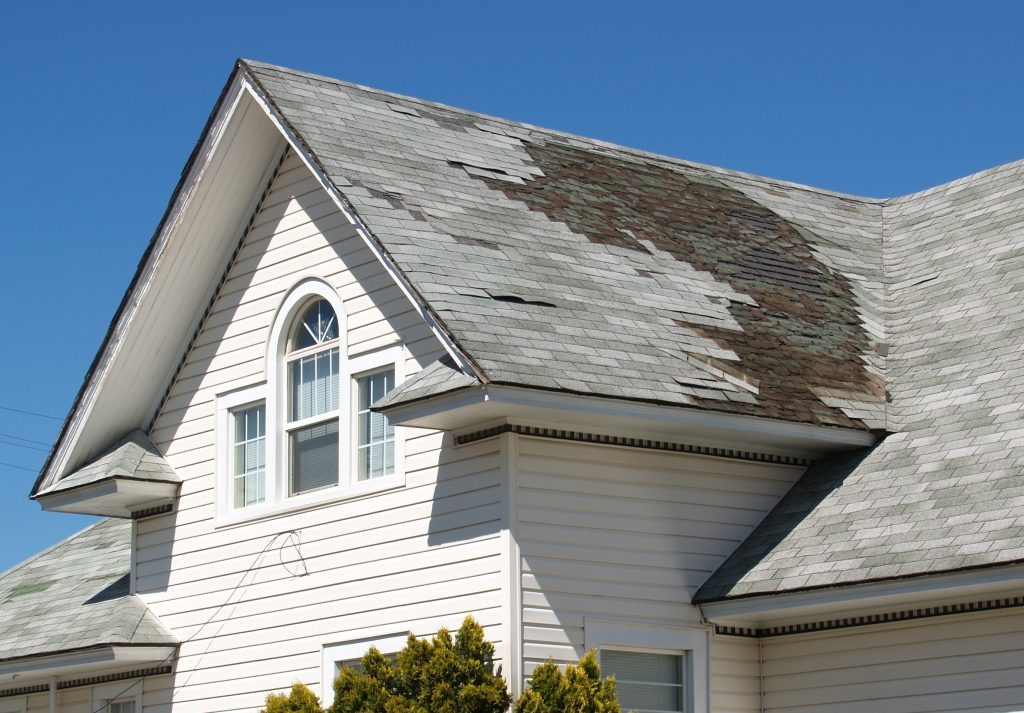
Roof damage can make selling a house stressful, especially when you are already dealing with moving, probate, tenants, foreclosure pressure, code issues, or a vacant property. A small leak can turn into ceiling stains, wet insulation, mold concerns, or buyer inspection problems. A major roof issue can make traditional buyers worry about insurance, financing, and repair costs.
If you need to sell a house with roof damage in Central Connecticut, you still have options. You can repair the roof before listing, sell as-is with a real estate agent, offer a buyer credit, or work with a local Connecticut cash home buyer like Paul H Buys Houses.
The right choice depends on your timeline, budget, property condition, mortgage situation, and how simple you want the sale to be.
Quick Answer
Yes, you can sell a house with roof damage in Central Connecticut. Many homeowners sell roof-damaged properties as-is when they do not want to pay for repairs, wait on contractors, or risk buyer financing problems. Paul H Buys Houses can review the property and make a fair local cash offer without requiring roof repairs before closing.
Can You Sell a House with Roof Damage in Connecticut?
Yes. A damaged roof does not automatically stop a Connecticut home sale. The real question is which selling path makes the most sense.
A traditional buyer may ask for roof repairs, a price reduction, contractor estimates, insurance information, or a credit before closing. If the roof damage affects safety, habitability, or insurance approval, the buyer’s lender may also raise concerns.
An as-is buyer is different. A local property buyer may purchase the house in its current condition and handle the roof after closing. This can help if the property also has outdated electrical, plumbing issues, water damage, title concerns, tax liens, open permits, code violations, or tenants.
Common roof problems that may affect a sale include:
- Active roof leaks
- Missing or curled shingles
- Soft roof decking
- Storm or wind damage
- Ice dam damage
- Flat roof drainage issues
- Chimney flashing leaks
- Old roof layers
- Water stains on ceilings or walls
- Mold or insulation damage from long-term leaks
If your property has several repair problems, this related guide may help: How to Sell Your House Fast in Central Connecticut with Major Repairs.
Why Roof Damage Makes a Home Harder to Sell
Roof damage creates uncertainty. Buyers may not know if the problem is a small repair or a full roof replacement.
A damaged roof can also affect more than the outside of the house. Water can move into the attic, ceilings, walls, flooring, electrical areas, and basement. If a house has been vacant during a Connecticut winter, freeze-thaw conditions, snow, and ice buildup may make hidden damage worse.
Roof damage may affect:
- Buyer confidence
- Home inspection results
- Appraisal concerns
- Insurance approval
- Mortgage financing
- Closing timelines
- Negotiation leverage
- Tenant complaints
- Municipal repair notices if the property becomes unsafe
This is why homeowners often search for terms like sell house as-is in Connecticut, sell house without repairs, cash home buyers in Hartford CT, or sell my house fast in Connecticut.
For a broader as-is selling overview, read: Selling a House As-Is in Central Connecticut.
What Connecticut Buyers and Lenders May Notice About Roof Damage
Buyers, lenders, appraisers, and insurance providers may look at roof damage differently. A cash buyer may focus on repair cost and renovation risk. A traditional buyer may worry about whether the home can pass inspection, qualify for financing, or secure homeowners insurance.
For FHA-related purchases, HUD guidance says the roof covering should prevent moisture from entering and provide reasonable future utility. That does not mean every damaged roof automatically stops a sale, but it explains why active leaks, missing shingles, or visible water intrusion can create financing concerns. Homeowners can review HUD’s roof and attic guidance here: HUD Roofs & Attics Reference Guide.
Insurance can also matter. A buyer may hesitate if the roof is old, layered, leaking, or visibly deteriorated because insurance approval can affect closing. In older Central Connecticut homes, especially multifamily properties in Hartford, New Britain, East Hartford, and Manchester, one roof issue may affect more than one unit. That can increase buyer concern because the repair is not only cosmetic; it may affect tenant safety, rentability, and long-term property value.
If a roof has multiple old layers, poor flashing, soft decking, or storm-related damage, a buyer may ask for more documentation. If repairs were already started, the buyer or closing team may also ask whether permits were required and whether the work was completed properly.
Why Roof-Damaged Homes Are Common in Central Connecticut
Central Connecticut has many older single-family homes, multifamily properties, rentals, inherited houses, and vacant properties. Roof problems can look different depending on the town, property age, and use.
For example:
- An older Hartford multifamily may have one roof leak affecting multiple units.
- A New Britain rental may have tenant complaints about ceiling stains or water intrusion.
- A Bloomfield or Windsor inherited home may sit vacant long enough for a small leak to become major interior damage.
- A West Hartford home may need roof work before a traditional buyer feels comfortable.
- A Manchester or East Hartford property may have roof damage along with open permits, inspection issues, or code enforcement concerns.
- A Wethersfield, Newington, or Windsor homeowner may want to avoid paying for a roof replacement before moving.
Municipal rules can also matter. The Connecticut Department of Consumer Protection explains that required permits should be in hand before work begins, and the homeowner is ultimately responsible for having the correct permit in place. Homeowners can review state guidance here: Connecticut DCP Building Guidance.
In Hartford, the city’s housing and inspection department handles building code compliance, permits, inspections, unsafe structures, and housing maintenance concerns. This can matter if a roof-damaged property is vacant, tenant-occupied, or connected to code enforcement. See: Hartford Licenses, Inspections & Housing Code Enforcement.
If prior roof work was done without proper documentation, a buyer, title company, attorney, or town official may ask questions before closing. A related guide on this topic is: Can You Sell a House With an Open Building Permit in Hartford, CT?.
This is not legal, tax, insurance, or financial advice. If your property has probate issues, tax liens, foreclosure concerns, tenants, code violations, open permits, bankruptcy, or title problems, speak with the right qualified professional.
Step-by-Step Process to Sell a Roof-Damaged House
1. Identify the Roof Problem
Start by understanding the visible issue. Is the roof actively leaking? Are shingles missing? Is the decking soft? Are there ceiling stains? Is water entering the attic?
You do not always need a full contractor report before selling, but basic knowledge helps you compare your options.
2. Check for Interior Damage
A roof problem can affect the inside of the house. Look for water stains, sagging ceilings, mold smells, wet insulation, damaged drywall, electrical concerns, soft flooring, tenant complaints, or attic moisture.
A house with both roof damage and interior damage may be harder to sell traditionally without repairs.
3. Decide Whether Repairs Make Financial Sense
Repairing the roof may help if the house is otherwise updated, you have time, and you can afford the work.
Repairs may not make sense if:
- You need to sell quickly
- You cannot afford roof work
- The house needs many other repairs
- The property is inherited
- The home is vacant
- Tenants are still living there
- You are behind on payments or taxes
- You do not want to manage contractors
If the house was inherited, review general estate information from the Connecticut Probate Courts and speak with a qualified probate attorney when needed.
4. Compare Your Selling Options
You can usually consider four paths:
- Repair the roof and list the house traditionally.
- List the house as-is with an agent.
- Offer a buyer credit or price reduction.
- Sell directly to a local Connecticut cash buyer.
If your priority is speed and simplicity, an as-is sale may help. If your priority is getting the highest possible retail price and you can afford repairs, listing with an agent may be worth comparing.
5. Review Title, Taxes, Permits, and Liens Early
Roof damage is not always the only issue. Some homeowners also have unpaid property taxes, municipal liens, open permits, probate questions, foreclosure notices, or title issues.
A title company, attorney, lender, tax professional, or local official can help you understand what must be resolved before closing. For transfer-related tax information, homeowners can review Connecticut’s Real Estate Conveyance Tax Information.
6. Request an As-Is Cash Offer
If you want to sell without replacing the roof, Paul H Buys Houses can review your Central Connecticut property and provide a fair local cash offer. The offer will consider the home’s location, condition, roof damage, interior repairs, title situation, and likely renovation costs.
To understand the process, visit How It Works.
Options Comparison Table
| Selling Option | Best For | Pros | Cons |
|---|---|---|---|
| Repair before listing | Homeowners with money, time, and a mostly updated house | May attract more traditional buyers | Upfront cost, delays, surprise repair costs |
| List as-is with an agent | Sellers who want market exposure without repairs | More buyer visibility | Buyers may negotiate heavily or struggle with financing |
| Offer buyer credit | Homes with minor roof issues | May keep a traditional sale moving | Not always accepted for major roof problems |
| Sell to a cash buyer | Damaged, inherited, vacant, rental, or urgent-sale homes | No repairs, simpler process, flexible closing | Offer reflects repair risk and as-is condition |
When a Cash Sale May Not Be the Best Option
A cash sale is not always the right choice. If your roof damage is minor, the house is in good condition, and you have time to prepare the property, listing with a real estate agent may bring a higher sale price.
A cash sale may be a better fit when the home needs major repairs, has tenants, is inherited, is vacant, has code issues, or you need to sell on a shorter timeline. Homeowners should compare options before deciding.
If code issues are part of the problem, read: Sell a House Fast with Code Violations in Central Connecticut.
Example: Selling a Roof-Damaged House in New Britain, CT
A homeowner in New Britain inherits a two-family house with an older roof. One unit is vacant, and the other has a tenant. The roof has missing shingles, and there are water stains near the second-floor ceiling.
The homeowner gets a roof estimate but realizes the property also needs electrical updates, cleanup, and plumbing work. Listing traditionally may require coordinating tenants, showings, inspections, contractor bids, and possible buyer financing issues.
In this situation, the homeowner may compare two realistic paths. One option is to repair the roof and list later. Another option is to sell the property as-is to a local Connecticut cash buyer who can handle the roof and other repairs after closing.
For more local context, see: How to Sell Your Rental Property As-Is in New Britain, CT.
Common Mistakes to Avoid
Waiting Too Long While the Roof Gets Worse
A small leak can become a larger repair if water keeps entering the property. Waiting may also increase interior damage, especially in vacant homes.
Starting Roof Work Without Checking Local Rules
Permit requirements vary by municipality. Before starting major roof work, check with your local building department or a qualified contractor familiar with your town.
Assuming Every Buyer Can Finance the Property
Traditional buyers often rely on lenders, appraisals, and insurance approval. If the roof creates habitability or insurance concerns, financing may become harder.
Hiding Known Damage
Be honest about known issues. Disclosure rules and contract requirements can vary, so ask a qualified real estate attorney or agent if you are unsure what must be disclosed.
Looking at Only One Option
Selling to a cash buyer, listing with an agent, repairing first, selling FSBO, or renting the property may all be worth comparing.
FAQs
Can I sell a house with roof damage in Central Connecticut?
Yes. You can sell a house with roof damage in Central Connecticut. Many homeowners sell as-is when they do not want to pay for repairs, wait on contractors, or deal with buyer inspection issues.
Do cash home buyers in Central Connecticut buy houses with bad roofs?
Yes. Many cash home buyers in Central Connecticut buy houses with bad roofs, active leaks, missing shingles, storm damage, or interior water damage. The offer usually reflects the home’s current condition and repair needs.
Do I need to replace the roof before selling my house in Connecticut?
No. You do not always need to replace the roof before selling. If you sell as-is, a buyer may purchase the property without requiring roof repairs before closing.
Will roof damage lower my home’s value?
Usually, yes. Roof damage can lower value because buyers must consider repair costs, water damage risk, insurance concerns, and resale condition. Minor roof issues may affect value less than active leaks or structural damage.
Can roof damage affect buyer financing?
Yes. Roof damage can affect buyer financing if the appraiser, lender, or insurance provider sees the roof as a safety, moisture, or habitability concern. This is one reason some sellers compare a traditional sale with an as-is cash offer.
Can I sell a roof-damaged house with tenants?
Yes, it may be possible to sell a roof-damaged house with tenants. Lease terms, tenant access, rent status, and local rules may matter, so speak with a qualified attorney or housing professional if needed. You may also want to read: Sell a House with Tenants in Connecticut.
Can Paul H Buys Houses buy my house with roof damage?
Yes. Paul H Buys Houses can review houses with roof damage in Central Connecticut and provide a fair local cash offer. You do not need to replace the roof, clean the house, or make repairs before requesting an offer.
Sell Your Roof-Damaged House As-Is in Central Connecticut
If you want to sell a house with roof damage in Central Connecticut without replacing the roof, Paul H Buys Houses can review your property and provide a fair local cash offer. You can compare your options, ask questions, and decide whether an as-is sale makes sense for your situation.
Start here: Contact Paul H Buys Houses.