
How to Sell Your House Fast for Cash During a Divorce in Central Connecticut
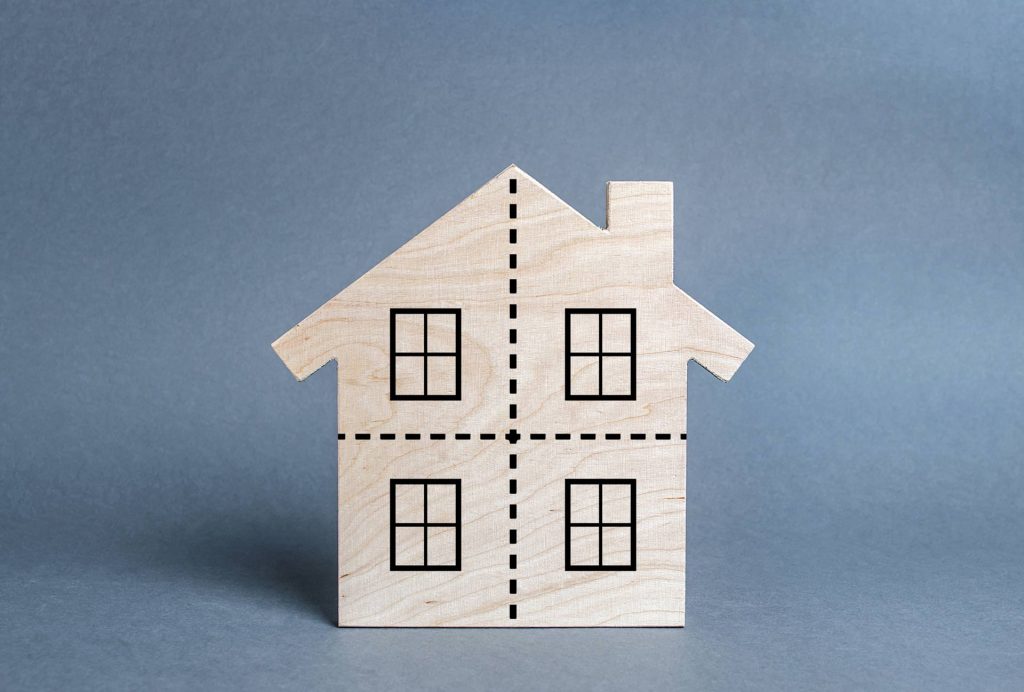
Going through a divorce is never easy. Emotional stress, financial uncertainty, and legal complications all make everyday decisions harder. When a home is part of the equation, those challenges multiply. Homes are one of the largest financial assets most people own, and selling a house during a divorce adds urgency and complexity.
If you live in Central Connecticut and you’re navigating a divorce while needing to sell your home quickly, a cash sale can be an effective solution. A cash buyer can close faster, reduce the hassle of repairs, and take the property as‑is. This matters when you want a clean break and a fast outcome. In this comprehensive guide, we’ll walk you step by step through the process of selling your house fast for cash during a divorce in Central Connecticut. You’ll learn practical steps, what to expect, how cash sales work, legal and tax considerations, and how to avoid common pitfalls.
Understanding Cash Home Sales During Divorce
What Is a Cash Home Sale?
A cash home sale means you sell your house to a buyer who pays the full purchase price in cash or cash‑equivalent funds rather than relying on a mortgage or traditional financing.
Cash buyers often include investment firms, local real estate investors, or individuals who buy properties with their own money. These buyers can close quickly because they don’t depend on loan approvals, appraisals, or long delays tied to bank underwriting.
For homeowners going through divorce, that speed and simplicity can make a real difference.
Why Consider Cash Sales During Divorce?
There are several reasons why a cash sale may be a better choice than listing your home traditionally:
- Speed: Cash sales can close in as little as 7–21 days, compared with 30–90+ days for traditional sales.
- Certainty: If a buyer is qualified with funds in hand, there’s less risk of financing falling through at the last minute.
- No Repairs Needed: Many cash buyers will purchase homes “as is,” meaning you don’t have to fix every issue before closing. For practical insights on selling a home as-is, check out our guide on Selling a Home As-Is in Central Connecticut During Divorce: What You Need to Know.
- Lower Stress: No open houses, staging, multiple showings, or managing buyer contingencies during an emotional time.
- Simpler Paperwork: With fewer parties involved—especially lenders—closing tends to be simpler and faster.
To better understand the advantages of this approach, check out our guide on The Benefits of Selling Your Home for Cash During Divorce in Central Connecticut.
Preparing Your House for a Quick Sale
While cash sales are generally simpler than traditional sales, the more prepared you are, the smoother the process will be.
Legal Preparations
Before you list the home for sale, you and your spouse (or ex‑spouse) should clarify how the property will be handled legally. Confirm:
- Who is on the title as an owner
- Whether your divorce decree includes language about selling the property
- Whether either party has the legal right to sign the contract without additional consent
Tip: A real estate attorney familiar with divorce proceedings in Connecticut can help ensure your rights are protected and that the sale complies with state law and your divorce agreement.
For more information on the legal and financial implications, check out our guide on How Divorce Affects the Sale of Your Home in Central Connecticut.
Property Assessment
Even though cash buyers often purchase homes as they are, it helps to know your home’s approximate value. You can:
- Use online tools like real estate portals for rough estimates.
- Request a professional appraisal.
- Ask local agents for comparative market analysis (CMA).
Knowing the value gives you leverage when reviewing offers and discussing terms.
Paperwork Checklist
Having these documents ready can save time when you receive offers:
| Document | Purpose |
|---|---|
| Property Deed | Shows legal ownership |
| Mortgage Statements | Reveals outstanding balance |
| Divorce Decree | Clarifies authority to sell |
| Past Tax Records | Used for disclosures |
| Utility Bills | Shows maintenance and occupancy |
| Inspection Reports (if available) | Helps buyers understand condition |
Selling Your House Fast for Cash
Once you’ve prepared your home, the next step is engaging with cash buyers, understanding their process, and completing the sale. Cash home sales are faster and more predictable than traditional sales, making them an ideal solution for homeowners in Central Connecticut who need speed and certainty.
Who Are Cash Buyers?
Cash buyers include individual investors, real estate investment companies, and local or regional groups that specialize in quick home purchases. Some focus on buying properties in any condition and eliminating common sale contingencies, while others may renovate homes before resale.
What all cash buyers share is the ability to provide immediate funds without relying on bank financing. This allows them to make offers quickly and close in days or weeks, instead of the typical 60–90 day timeline of conventional sales.
How Cash Buyers Operate
The typical process for cash buyers usually involves the following steps:
- Initial Contact: You provide basic information about your property, such as address, size, condition, and any necessary repairs.
- Property Review: The buyer may request a quick walkthrough, virtual tour, or inspection to verify property details.
- Offer Issued: A cash offer is presented, usually with minimal contingencies.
- Acceptance or Negotiation: You evaluate the offer, ask questions, and negotiate terms if necessary.
- Closing: The closing date is set—often within 10–30 days—allowing you to finalize the sale quickly.
This streamlined process ensures a fast, reliable sale, especially important during life transitions such as divorce.
Steps to Secure a Cash Sale
- Request and Compare Multiple Offers:
Reach out to several buyers to gather multiple proposals. Comparing offers helps ensure you find the best balance of speed, certainty, and financial value. - Evaluate the Offers Carefully:
Not all cash offers are equal. Some may be higher but come with inspections or extended timelines. Others may be slightly lower but promise a guaranteed, fast closing. Review each offer’s terms, fees, and contingencies thoroughly before deciding. - Accept the Offer That Fits Your Goals:
Choose the offer that aligns with your timeline and financial needs. For divorcing homeowners, certainty and speed often outweigh minor differences in price. - Close the Sale Efficiently:
Once you accept an offer, you’ll sign the required documents, clear any liens or mortgage balances, and transfer ownership. Because lenders aren’t involved, cash sales typically close within one to four weeks.
To get full details on timelines and expectations, check out How Quickly Can You Sell Your Central Connecticut House for Cash During a Divorce?
Negotiating During a Divorce
Divorce adds complexity to negotiations, so consider these practical tips:
- Communicate Clearly: Ensure both spouses understand and agree on priorities, whether that’s speed, price, or minimal repairs.
- Set Priorities Early: Decide what matters most before negotiating to avoid conflict or delays.
- Take Time to Review: Don’t rush decisions. Read the contract carefully, especially regarding closing costs, timelines, and buyer demands.
- Use Neutral Professionals: If emotions run high, a mediator or neutral attorney can help guide the process and prevent disagreements.
Handling Finances and Taxes
When you sell for cash during a divorce, you need to be smart about the financial implications. The money from the sale isn’t just income; it becomes part of the divorce settlement and must be handled correctly.
Net Proceeds and Distribution
Net proceeds are the funds left after paying off liens, mortgages, taxes, and closing costs. During a divorce, how these proceeds are split should follow your separation agreement or court order. Connecticut considers factors such as whether the house was acquired during the marriage and treats it as marital property subject to equitable distribution. For official guidance, see the Connecticut Judicial Branch’s Equitable Distribution Pathfinder.
If there’s a mortgage, the balance is paid at closing. The remaining cash is then distributed. Many couples set up a joint or trust account for the proceeds until the official division. Consult your attorney and accountant to fully understand local property division laws.
Tax Considerations
While selling your primary residence can offer tax benefits, divorce adds complexity. Federal tax law allows homeowners to exclude up to $250,000 (single) or $500,000 (married filing jointly) of capital gains under certain conditions, but these rules can vary depending on how long you lived in the home and other factors. For detailed guidance from the IRS, see Topic No. 701: Sale of Your Home.
In a divorce, if the house is transferred between spouses as part of the settlement before a sale, you may still qualify for these exemptions, but each situation is unique. A tax professional familiar with divorce and real estate can help you plan for any liabilities.
Closing Costs and Fees
Even in a cash sale, there are closing costs. Title search fees, recording fees, transfer taxes, and attorney fees are common. Some cash buyers agree to cover part of these costs, so it’s worth asking. Understanding these fees prevents surprises and allows you to calculate your true net proceeds.
Emotional and Practical Considerations
Selling a home during a divorce is emotionally charged. Aside from financial and legal details, you’re likely dealing with grief, stress, and conflict. Managing the practical side effectively helps limit emotional strain.
Coordinating With Your Ex‑Spouse
Buyers require both owners’ signatures if the title lists both names. That means you and your spouse must communicate effectively about offers, deadlines, inspections, and closing. In a contentious situation, a mediator or attorney can help.
Some couples agree upfront on minimum acceptable offers or timelines. Others may delegate all selling tasks to one spouse or a representative. Whatever approach you choose, document decisions in writing. This prevents arguments later.
Reducing Stress
Letting professionals handle parts of the process lightens your load. Title companies, real estate attorneys, and experienced cash buyers manage many details that otherwise fall to you. When each step is handled by someone familiar with divorce sales, mistakes and delays are less likely.
Remember that cash buyers expect transparency. Hiding issues or miscommunication can slow down the sale or cause offers to be rescinded. Being upfront about property condition, liens, or legal issues builds trust and smooths the path to closing.
Common Mistakes to Avoid
Even with a cash sale, mistakes can cost time and money. Being aware of common pitfalls helps you sidestep them.
Waiting Too Long to Sell
In divorce, delaying a sale can increase anxiety and lead to deteriorating conditions or market changes. If you and your spouse agree that selling fast makes sense, start the process quickly. The longer the home sits without action, the more opportunities for complications.
Ignoring Legal Advice
Your divorce attorney knows the local legal landscape. Not involving them early can lead to disagreements about how proceeds are split or whether one spouse can make decisions unilaterally. Always loop in your legal team before accepting offers.
Accepting the First Offer Without Comparison
Cash offers can vary widely. The first offer may feel like a relief, especially when emotions are high. But taking time to get at least two or three offers gives perspective and usually results in a better financial outcome.
Underestimating Costs
Even cash sales have fees. Title insurance, closing costs, recording fees, and attorney fees all reduce your net proceeds. Plan for these so you don’t overestimate what’s left after the sale.
Poor Communication Between Spouses
Communication breakdowns can slow down negotiations and create tension. Agree on major decisions ahead of time and document them. If communication is difficult, use your attorney or mediator to keep things moving.
To understand the most common pitfalls that homeowners face when selling a house during a divorce, check out Common Challenges When Selling a House During Divorce in Central Connecticut and How to Overcome.
Local Market Tips for Central Connecticut
Central Connecticut is a diverse region with urban and suburban markets. Towns like Hartford, New Britain, and Newington have different real estate dynamics than smaller communities. Understanding these nuances helps you price your home and set expectations.
Timing and Demand
Seasonal trends influence how quickly homes sell. Spring and early fall often see more buyer activity. However, cash buyers are less influenced by season than traditional buyers. They buy year‑round, making timing less critical if speed is your priority.
Neighborhood Conditions
Some neighborhoods attract more investor interest because of resale potential or rental demand. Cash buyers are more active where they see predictability in post‑purchase outcomes. If your home is near schools, transportation, or strong employment centers, expect more competition among buyers.
Local Regulations
Property transfer taxes, recording fees, and other local charges vary across Connecticut towns. Work with a local title company or attorney to ensure all local requirements are handled correctly. This prevents delays at closing.
Recent Sales Data
Stay informed about recent comparable sales. What did similar homes in your neighborhood sell for in the last six months? This data helps you evaluate offers and decide if a cash offer is fair given the local market.
Alternative Options to Consider Before Selling for Cash
Not every homeowner needs to sell for cash immediately. Exploring alternatives can help you make a more informed decision:
Traditional Sale With a Realtor
- Can potentially yield a higher sale price.
- Longer timeline; may involve repairs and staging.
Short Sale
- Useful if the mortgage balance exceeds property value.
- Requires lender approval; can be slower than a cash sale.
Renting Out the Property
- May provide steady income while divorce is finalized.
- Involves managing tenants, maintenance, and responsibilities.
Table Example: Sale Alternatives Comparison
| Option | Timeline | Pros | Cons |
|---|---|---|---|
| Cash Sale | 1–4 weeks | Fast, fewer repairs, simple | Often slightly lower price |
| Traditional Sale | 30–90+ days | Maximize sale price | More stress, repairs required |
| Short Sale | 60–120+ days | Can avoid foreclosure | Lender approval needed, slower |
| Renting | Ongoing | Income until sale | Management burden, responsibility |
Tip: If you want to explore the fastest, most straightforward process for homeowners in the area, see How to Sell a House Fast for Cash in Central Connecticut: A Step-by-Step Guide.
Choosing the Right Cash Buyer in Central Connecticut
Selecting a reputable buyer is crucial for a smooth and stress‑free sale.
Key Qualities to Look For
- Experience in Cash Transactions – proven track record of fast, legal closings.
- Transparent Terms – clear about closing costs, timelines, and contingencies.
- Local Knowledge – familiarity with Central Connecticut property values and regulations.
- Professional References – check reviews and past client experiences.
Questions to Ask Potential Buyers
- How quickly can you close?
- Are there any fees I will be responsible for?
- Can you provide references or past client examples?
- Will you purchase the home “as is” or require repairs?
Including these sections will make your content more helpful, cover more search queries, and increase the chances AI assistants pick up your answers for related questions.
To deeper understand the process and make informed decisions, check out our guide on Selling Your Home During a Divorce in Central Connecticut.
Frequently Asked Questions
Q1. How can I sell a jointly owned house for cash during a divorce in Central Connecticut?
Both owners typically must agree and sign the contract. Review your divorce decree to confirm how proceeds will be split, and consider legal guidance for a smooth transaction.
Q2. How quickly can I close a cash sale on my house while divorcing in Central Connecticut?
Cash sales can often close within 10–30 days, depending on title status and buyer readiness, making them faster than traditional listings.
Q3. Do I have to make repairs before selling my house for cash during a divorce?
Most cash buyers purchase homes “as is,” so repairs aren’t required. Minor cosmetic updates may help maximize offers but aren’t mandatory.
Q4. How will selling my house for cash during a divorce in Central Connecticut affect my settlement?
Net proceeds from the sale are usually divided according to the divorce agreement. Consult your attorney to ensure compliance with your settlement terms.
Q5. Are cash offers usually lower than market value when selling during a divorce?
Cash offers may be slightly lower because buyers value speed and convenience, but the quick closing often offsets potential price differences.
Q6. Can I sell my house fast for cash if there’s a mortgage in Central Connecticut?
Yes. Cash buyers often pay off the mortgage during closing, allowing you to sell quickly even with an existing loan balance.
Conclusion
Selling your house fast for cash during a divorce in Central Connecticut can be a practical and stress‑reducing solution when approached with preparation and clarity. The major benefits are speed, certainty, and fewer hurdles than traditional sales. By understanding how cash buyers operate, preparing your documents and home ahead of time, and coordinating well with your ex‑spouse and professionals, you can achieve a smooth transaction.
At Paul H. Buys Houses, we specialize in helping homeowners navigate fast, as‑is cash sales, ensuring a seamless process that aligns with your emotional and financial needs. If timing is essential and you want to avoid the uncertainty of traditional listings, working with Paul H. Buys Houses could be the right step to move forward confidently.