
What Happens If I Don’t Fix Code Violations on My Manchester, CT Home?
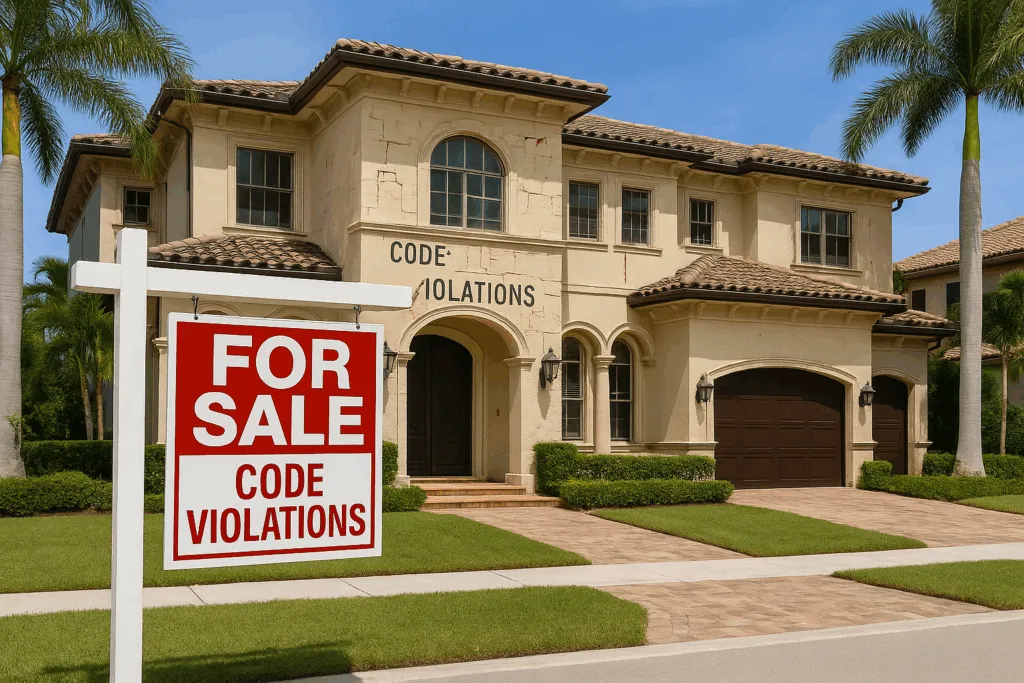
If you’re a homeowner in Manchester, CT, and you’ve realized that your property has code violations, you might be feeling overwhelmed by the situation. You’re probably uncertain about what the consequences will be if these violations aren’t addressed and whether they will negatively affect your ability to sell the house in the future. Perhaps you’re thinking of selling your home but are worried that these violations will turn off potential buyers or lower the value of your property. The concern might be financial, as repairs could be costly, and you’re unsure how to fix things without incurring significant expenses. Maybe you’ve even considered selling your house for cash, wondering if that could be a viable solution. In this blog, we’ll walk through everything you need to know about code violations, the consequences of ignoring them, how they can affect your ability to sell your house, and the options you have for resolving the issue.
What Happens If I Don’t Fix Code Violations on My Manchester, CT Home?
As a homeowner, you have the responsibility to ensure your home is safe, habitable, and complies with local building codes. In Manchester, CT, like in most municipalities, building codes are put in place to ensure the safety, health, and welfare of the community. Ignoring code violations can lead to significant problems—both for you and potential future buyers. The longer these violations are left unaddressed, the worse the consequences can become. But what happens exactly if you choose not to fix them? In this guide, we’ll explore the possible outcomes of ignoring these violations, discuss the financial and legal implications, and offer alternatives, such as selling your home for cash or “as-is,” that may be a good fit for you.
Understanding Code Violations in Manchester, CT
What Are Code Violations?
A code violation occurs when a property fails to meet the local building codes or safety regulations. These codes cover a wide range of aspects including electrical systems, plumbing, structural integrity, and fire safety. When these standards are not met, it can result in unsafe living conditions for the homeowners and occupants, as well as potential risks to the community. In Manchester, CT, code violations can be discovered through regular inspections, complaints from neighbors, or even during real estate transactions.
For a more comprehensive overview of building codes in Connecticut, you can visit the ICC’s Official Connecticut Building Codes for additional information.
Common Types of Code Violations
Code violations can vary greatly depending on the type of construction and renovations done on your home. Here are some of the most common violations you might encounter:
- Electrical Issues: Faulty wiring, exposed wires, outdated or improperly installed electrical panels, and lack of grounding can lead to electrical fires or power outages.
- Plumbing Problems: Leaky pipes, non-compliant plumbing fixtures, blocked drains, and improperly installed plumbing systems can cause flooding, water damage, or even mold growth.
- Structural Defects: Cracks in walls, foundations, or ceilings can compromise the safety of your home and could lead to costly repairs.
- Zoning Violations: If your property’s land use doesn’t conform to zoning laws—such as an extension added without the proper permits—this could violate local ordinances.
- Fire Safety Violations: Missing smoke detectors, blocked fire exits, or an inadequate fire suppression system are serious violations that can jeopardize the safety of everyone in the home.
It’s essential to identify these violations as soon as possible to prevent the risks associated with them. If you’ve recently made improvements or additions to your home, you’ll need to verify that they comply with the required standards.
Consequences of Ignoring Code Violations
Ignoring code violations might seem like a manageable issue at first, but failing to fix them can lead to serious consequences—financially, legally, and in terms of safety. Here’s an in-depth look at what can happen if you decide not to fix code violations in your Manchester, CT home.
Legal and Financial Implications
One of the biggest reasons to fix code violations promptly is to avoid legal and financial troubles. Here’s what can happen if you don’t address them:
- Fines: Municipal fines can range from a few hundred dollars to several thousand, depending on the severity of the violation. For example, not having proper fire safety systems installed could lead to a fine of up to $2,000.
- Increased Penalties: If you fail to fix the violations after being notified by the local government, penalties can increase significantly. Some fines could double or triple if you fail to take corrective action within a given timeframe.
- Court Orders: If the violations are severe or you continue to ignore them, the city may issue a court order to have the violations fixed. This could result in further legal fees and a long, drawn-out court process.
- Liens on Property: If the municipality decides to step in and address the violations by performing repairs or safety upgrades, they can place a lien on your property. This means that when you eventually sell the home, the lien will need to be paid off from the sale proceeds, which can complicate the sale process. For more on property liens, check out Nolo’s guide on property liens.
- Property Devaluation: The presence of unresolved code violations can decrease the overall value of your home. A property that doesn’t comply with safety standards will be worth less than comparable homes in good condition. This is especially problematic if you plan to sell in the near future.
Impact on Selling the Property
If you’re planning to sell your home, unresolved code violations can complicate the process in several ways:
- Buyer Hesitation: When buyers learn that a property has code violations, they may hesitate to move forward with the purchase. They may be worried about the cost of repairs, time spent getting everything up to code, or simply about the safety of the home.
- Required Repairs Before Sale: In many cases, you will be required to fix the violations before listing the property. This can be a costly and time-consuming process. For example, replacing outdated electrical panels or installing necessary fire safety systems can cost thousands of dollars.
- Decreased Market Value: Even if you manage to find a buyer who is willing to purchase the home “as-is,” the price you receive will likely be much lower than if the house were in compliance with all building codes. Buyers typically want to pay less for homes that require repairs or have legal issues.
How Code Violations Affect Your Home’s Safety
Increased Risk of Accidents
Safety is one of the primary concerns when it comes to code violations. Some violations can significantly increase the risk of dangerous accidents, putting you and your family at risk:
- Electrical Fires: If your home has outdated wiring or faulty electrical systems, there’s an increased risk of fire. In fact, electrical issues are one of the leading causes of residential fires, causing millions of dollars in damages every year.
- Flooding: Plumbing violations, such as leaking pipes or poor drainage, can lead to flooding, which can cause extensive water damage. For example, water damage from plumbing problems can destroy flooring, drywall, and personal property, and may also lead to the growth of mold, which can be hazardous to health.
- Collapse or Structural Damage: Structural defects like cracks in your foundation can lead to further damage to the integrity of your home, potentially resulting in costly repairs or even the collapse of certain parts of the property.
Compromised Insurance Coverage
Another reason to address code violations is that your insurance may not cover damage caused by them. Insurance policies often have exclusions for damages resulting from code violations:
- Fire Damage: If your electrical system causes a fire and the violation was due to faulty wiring that didn’t meet code, your insurance policy might not cover the costs.
- Water Damage: Similarly, if plumbing violations lead to flooding and water damage, your insurance may refuse to pay for the repairs.
This is an issue that can leave you with significant out-of-pocket expenses, which could be avoided by taking care of the violations early.
How to Identify and Address Code Violations
Steps to Identify Violations
If you suspect that your home might have code violations, it’s important to take immediate steps to identify them:
- Hire a Home Inspector: A licensed home inspector can conduct a thorough inspection of your property to uncover any potential violations. Inspectors are trained to spot issues that may not be immediately visible to homeowners.
- Review Building Permits: If you’ve made any additions or renovations to your home, verify that you obtained the proper permits for these changes. Unauthorized work can result in code violations that need to be corrected before selling or insuring the property.
- Check Local Building Codes: Familiarize yourself with the building codes in Manchester, CT. You can often find these codes online or at your local government office. Checking these standards can help you determine whether your home meets the necessary requirements.
How to Fix Violations
Once you’ve identified the violations, it’s time to fix them. Here’s how to address common violations:
- Electrical Violations: Hire a licensed electrician to update outdated wiring or install new electrical panels.
- Plumbing Violations: Call a professional plumber to replace leaking pipes or upgrade your plumbing system to meet local codes.
- Structural Violations: A contractor will be able to reinforce any structural issues, such as cracked walls or weakened foundations, ensuring your home is safe and secure.
- Zoning Violations: You may need to apply for a zoning permit or request a variance to bring your property into compliance.
- Fire Safety Violations: Install smoke detectors, fire extinguishers, and emergency exits to ensure your home is up to fire safety standards.
Can You Sell a House with Code Violations in Manchester, CT?
Disclosing Code Violations
In Connecticut, homeowners are legally required to disclose any known code violations to potential buyers. Failing to disclose this information could lead to legal repercussions, including lawsuits and financial penalties. Always be upfront about any violations, even if they seem minor.
Selling “As-Is” with Violations
Selling a home “as-is” means that you’re not making any repairs or improvements. While this might be a quick way to sell the property, it also often results in a lower sale price. Buyers who are willing to take on code violations may offer less than what the property would be worth if it were fully compliant.
For further details about selling homes “as-is,” refer to this guide on selling homes without repairs.
What If You Can’t Afford the Repairs?
Options for Financial Assistance
If fixing the violations is beyond your budget, here are some options that may help:
- Home Equity Loan: If you have enough equity in your home, you can take out a home equity loan to cover the cost of repairs.
- Local Assistance Programs: Some cities offer grants or low-interest loans to homeowners in need of assistance with repairs. Check with local government or nonprofit organizations for available programs.
- Sell As-Is: If repairs are not feasible, selling the home “as-is” may be your best option. This allows you to bypass the repair process and sell quickly.
Selling to Cash Home Buyers
One of the quickest and most efficient ways to deal with code violations is to sell your house to a cash home buyer. These buyers typically purchase homes “as-is,” which means they’ll buy your property regardless of any code violations. Selling to an investor allows you to avoid the hassle of repairs and inspections, and you can receive cash for your home without the need for realtor commissions or additional fees. It’s a straightforward, no-fuss solution for homeowners dealing with costly repairs or urgent situations.
Frequently Asked Questions (FAQs)
1. What are code violations in Manchester, CT?
Code violations occur when a property doesn’t meet local safety or building codes. These may include issues like faulty wiring, plumbing problems, or zoning violations.
2. Can I sell my house in Manchester with code violations?
Yes, you can sell your house with code violations. However, you must disclose them to potential buyers, and it could lower the sale price.
3. What happens if I don’t fix code violations?
Ignoring code violations can lead to fines, legal issues, and safety risks. Unresolved violations may also decrease your home’s value and make it harder to sell.
4. Can I sell my house “as-is” with code violations?
Yes, you can sell “as-is” even with code violations, but buyers may offer less due to repair costs and may want significant concessions.
5. How do code violations affect my property value?
Code violations can decrease your home’s value because buyers factor in the cost of repairs, and they may be hesitant to purchase a home with unresolved issues.
6. What are the consequences of ignoring code violations in Manchester?
Consequences can include fines, court orders to fix the issue, or a lien on your property. Safety risks and legal troubles may also arise.
7. Can I sell my house to an investor with code violations?
Yes, cash home buyers often purchase homes “as-is,” even with code violations, allowing you to sell quickly without repairs or inspections.
Final Thoughts: Addressing Code Violations Is Crucial
Ignoring code violations in your Manchester, CT home can lead to serious consequences, both legally and financially. These violations can not only put your property at risk for hefty fines and potential safety hazards but also decrease its market value, making it harder to sell. If you find yourself unable to afford the repairs or fix the violations, the best option might be to sell your home “as-is.”
At Paul H. Buys Houses, we specialize in buying homes for cash, regardless of their condition. We understand that dealing with code violations can be overwhelming, which is why we offer a fast and straightforward solution. By selling to us, you can bypass the hassle of repairs, inspections, and realtor commissions. Whether you’re facing zoning issues, plumbing defects, or electrical violations, we’ll make you a fair cash offer for your property, and you can close in as little as a week.
Don’t let code violations prevent you from moving forward—contact Paul H. Buys Houses today, and let us help you sell your home quickly and easily, no repairs required.