
Sell a House with Water Damage in Central Connecticut
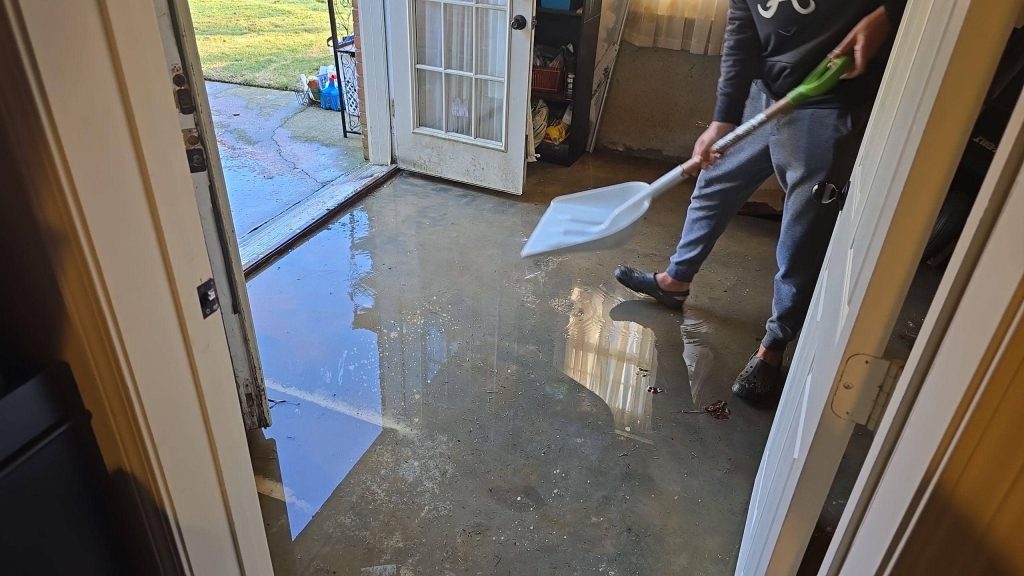
Water damage can make selling a house feel stressful, especially when repairs are expensive, mold is possible, or buyers are worried about inspections and financing. If you need to sell a house with water damage in Central Connecticut, you still have options.
Paul H Buys Houses helps Connecticut homeowners sell houses as-is, including homes with basement flooding, roof leaks, burst pipes, plumbing leaks, storm damage, mold concerns, and unfinished repairs. This guide explains your main selling options and how to decide whether repairing, listing, or selling directly for cash makes sense.
Quick Answer
Yes, you can sell a house with water damage in Central Connecticut. You can repair it before listing, list it as-is, sell by owner, or work with a local Connecticut cash home buyer. The best choice depends on repair cost, mold risk, insurance status, disclosure concerns, buyer financing, and your timeline.
Why Water Damage Makes a Home Sale Harder
Water damage affects more than appearance. A ceiling stain, soft floor, damp basement, or musty smell can make buyers worry about hidden damage behind walls, under flooring, around plumbing lines, or near the foundation.
In Central Connecticut, common causes include aging roofs, basement seepage, frozen pipes, failed water heaters, storm damage, vacant homes, tenant maintenance delays, and inherited properties with unknown repair history.
Buyers, inspectors, lenders, insurance companies, and title professionals may also ask whether the water source was fixed, whether mold is present, and whether repairs were completed properly.
If your house needs several repairs beyond water damage, this guide may help: How to Sell Your House Fast in Central Connecticut with Major Repairs Needed.
Can You Sell a Water-Damaged House As-Is in Connecticut?
Yes. Many homeowners sell water-damaged houses as-is in Connecticut. Selling as-is usually means the buyer understands the property has issues and the seller does not plan to make repairs before closing.
However, “as-is” does not always mean “no questions asked.” If you list traditionally, buyers may still request inspections, repair credits, price reductions, or contract changes. A lender may also require repairs before approving the buyer’s mortgage.
A direct cash buyer is usually purchasing based on the property’s current condition and repair risk. This can help when the house has active leaks, mold concerns, code issues, open permits, or repairs that are too expensive to complete.
For a broader overview, read: Selling a House As-Is in Central Connecticut.
Connecticut Disclosure Context Homeowners Should Know
In Connecticut, sellers may need to complete a residential property condition disclosure form depending on the sale. Water intrusion, roof leaks, basement seepage, plumbing damage, foundation concerns, and mold-related issues may be important items to discuss with a qualified real estate attorney or licensed real estate professional.
The Connecticut Department of Consumer Protection provides the official Residential Property Condition Report. Selling as-is does not mean hiding known problems; it means the buyer understands the property is being sold in its current condition.
Common Water Damage Situations in Central Connecticut
Basement Flooding or Seepage
Basement water problems are common in older Connecticut homes, especially where gutters, grading, sump pumps, or foundation drainage are not working properly. Standing water, damaged paneling, mold odor, or repeated flooding can reduce buyer confidence.
Roof Leak Damage
A leaking roof can cause ceiling stains, damaged insulation, attic mold, rotted decking, drywall damage, and possible electrical concerns. Traditional buyers often want roof repairs completed before closing, while a cash buyer may be more willing to buy as-is.
If your property has roof damage, see: Sell a House with Roof Damage in Central Connecticut.
Burst Pipes and Plumbing Leaks
Burst pipes can cause major damage quickly, especially in vacant homes during Connecticut winters. If water sat for days or weeks, the property may need drywall removal, flooring replacement, plumbing repairs, electrical review, and mold remediation.
Mold or Moisture Concerns
Mold can make a sale more complicated because buyers worry about cleanup cost, health concerns, and whether the moisture source has been corrected. The Connecticut Department of Public Health explains in its mold assessment and cleanup guidance that mold needs water to grow and that the water source should be stopped before cleanup begins.
Why Water Damage Can Create Financing Problems for Buyers
Traditional buyers often rely on mortgage financing. If a home has active leaks, mold concerns, unsafe electrical issues, missing flooring, damaged ceilings, or major habitability problems, a lender may require repairs before approving the loan.
This can cause delays, renegotiation, appraisal problems, or a canceled sale. Cash buyers are usually less dependent on lender repair requirements, which can make the process simpler for severely damaged properties. This is one reason some homeowners choose to sell a damaged house in Central Connecticut directly instead of making repairs first.
Insurance Issues to Review Before Selling
If the water damage is connected to an insurance claim, review the claim status before accepting an offer. Ask whether the claim is open, whether payment was issued, whether repairs were completed, and whether claim proceeds may affect closing. An insurance professional, attorney, or title company can help you review the paperwork.
Your Main Options for Selling a House With Water Damage
1. Repair Before Listing
Repairing first may help attract more traditional buyers and support a higher list price. This can work if the damage is minor, the water source is fixed, and you have time and money for contractors.
The risk is that repairs can expand once walls, flooring, insulation, or cabinets are removed. Hidden moisture, mold, plumbing issues, or electrical concerns can raise the budget.
2. List the House As-Is With an Agent
An as-is listing can give you market exposure, but buyers may still expect a discount. You may face inspections, repair negotiations, appraisal concerns, and lender requirements. This can work if the damage is visible but not severe.
3. Sell By Owner
Selling by owner gives you control, but you handle pricing, buyer questions, disclosures, negotiations, paperwork, and closing coordination. With water damage, buyers may ask detailed questions about repairs, mold, insurance claims, and inspection results.
4. Sell Directly to a Local Connecticut Cash Buyer
Selling directly to a local cash home buyer can be practical if you want to avoid repairs, showings, cleaning, contractor delays, and repeated inspections.
Paul H Buys Houses can review the property, consider the repair scope, and provide a fair local cash offer. This option may fit if the house has active leaks, mold concerns, major repairs, foreclosure pressure, tenants, vacancy issues, or traditional financing problems.
To understand the direct sale process, visit How It Works.
Step-by-Step Process to Sell a Water-Damaged House As-Is
Step 1: Identify the Water Source
Try to understand whether the damage came from a roof leak, burst pipe, basement seepage, appliance leak, sewer backup, or storm damage. Knowing the source helps buyers understand the risk.
Step 2: Gather Documents
Collect insurance paperwork, contractor estimates, repair receipts, inspection reports, photos, permit records, plumbing or roofing records, and tenant maintenance notes if available.
Step 3: Compare Repair Cost Against Net Proceeds
Do not only look at the contractor quote. Consider taxes, utilities, insurance, mortgage payments, cleanup, permit delays, buyer credits, and the risk of discovering additional damage.
Step 4: Review Disclosure and Inspection Issues
If you sell traditionally, you may need Connecticut disclosure paperwork depending on the transaction. Selling as-is means the buyer is purchasing with the understanding that repairs may be needed.
Step 5: Compare Offers Carefully
Compare net amount, timeline, financing risk, repair requirements, closing costs, inspection issues, and whether the buyer can handle the property in its current condition.
Step 6: Choose a Closing Timeline
A cash sale may offer a faster or more flexible timeline, but exact timing can vary based on title work, liens, probate issues, mortgage payoff, municipal records, and title company requirements. Connecticut sellers may also encounter conveyance tax and town clerk-related paperwork. The Connecticut Department of Revenue Services provides information about real estate conveyance taxes.
Before You Accept Any Offer on a Water-Damaged Connecticut House
Before signing, review the full picture. A fast offer can help, but the terms matter as much as the price.
Use this checklist:
- Has the water source been fixed?
- Is there possible mold or hidden moisture?
- Are there open insurance claims?
- Are there unpaid property taxes or liens?
- Are there open permits or code violations?
- Is the house vacant, inherited, or tenant-occupied?
- Does the buyer require repairs before closing?
- Is the offer cash or dependent on financing?
- What are the closing costs, commissions, and repair credits?
- Can the buyer close on your timeline?
This checklist is especially important if the property is in probate, foreclosure, tenant-occupied, tax-delinquent, or connected to municipal code issues. If code or permit issues are involved, read: How to Sell a House Fast in Central Connecticut with Code Violations.
Options Comparison Table
| Selling Option | Best If | Main Benefit | Main Limitation |
|---|---|---|---|
| Repair before listing | Damage is minor and you have funds | May attract more retail buyers | Repairs can expand and delay the sale |
| List as-is with an agent | You want market exposure | More buyers may see the property | Inspections and financing can cause issues |
| Sell by owner | You know the process well | More control over the sale | Harder with damaged property questions |
| Sell to a cash buyer | You want no repairs and a simpler sale | Faster, as-is, fewer repair demands | Offer may be lower than a fully repaired retail sale |
What Central Connecticut Homeowners Should Know About Water-Damaged Houses
Water-damaged homes in Central Connecticut often come with local issues that are not obvious at first.
Older multifamily homes in Hartford and East Hartford may have roof leaks, plumbing problems, tenant-related maintenance delays, or outdated electrical systems affected by water. In New Britain and Bristol, water damage is often found in older housing stock with finished basements, where moisture can stay hidden behind paneling or flooring. Across Bloomfield, Windsor, Manchester, Wethersfield, and Newington, inherited or long-owned homes may have moisture issues that developed slowly over time.
The local selling process can also involve town clerk records, property taxes, municipal liens, open permits, insurance paperwork, or title issues. Exact requirements can vary by town, county, property condition, and transaction type.
If you are in Hartford and need a faster local sale, see: Sell My House Fast in Hartford CT. If the property is tenant-occupied, review: Sell a House with Tenants in Connecticut.
Example: Selling an Inherited Water-Damaged House in New Britain
A homeowner in New Britain inherits a two-family house that has been vacant for several months. During winter, a pipe bursts on the second floor and damages the ceiling, flooring, and part of the kitchen below.
The homeowner gets a repair estimate, but the contractor says more damage may appear once the walls are opened. The property also has unpaid taxes and utility bills.
The owner could repair and list, list as-is, or sell directly to a local property buyer. A cash sale may make sense if the owner wants to avoid contractor delays and close without repairs. If the damage is insured and the owner has time, repairing first may also be worth comparing.
What If the Water-Damaged House Is in Foreclosure?
Water damage can be especially stressful if you are behind on payments. A damaged house may be harder to refinance, list quickly, or sell to a buyer using mortgage financing.
Foreclosure timelines and options vary by lender, court process, property status, and homeowner response. The Consumer Financial Protection Bureau explains that foreclosure processes differ by state. Connecticut homeowners may also review CHFA foreclosure prevention counseling resources.
This article is not legal, tax, insurance, or financial advice. If you are facing foreclosure, speak with a qualified attorney, lender, housing counselor, or financial professional.
Common Mistakes to Avoid
Only Looking at the Repair Estimate
A repair quote is not the full cost of selling. Add taxes, utilities, insurance, cleaning, mortgage payments, delays, permits, and possible buyer credits.
Ignoring the Source of the Water
Cosmetic repairs do not solve the problem if the roof still leaks, the basement still floods, or the plumbing issue remains active.
Assuming Every Buyer Can Purchase the House
Major water damage, mold concerns, unsafe electrical conditions, or habitability issues can make mortgage financing harder.
Waiting Too Long With a Vacant Property
Vacant water-damaged houses can get worse quickly because of moisture, cold weather, pests, vandalism, and utility issues.
Not Comparing Net Proceeds
The highest offer is not always best. Compare what you keep after repairs, commissions, credits, closing delays, and holding costs.
FAQs
Can I sell a house with water damage in Connecticut as-is?
Yes. You can sell a house with water damage in Connecticut as-is without making repairs first. This can help when repair costs are high, mold is possible, or traditional financing may be difficult.
Do I have to repair water damage before selling my house in Connecticut?
No. Traditional buyers may request repairs or credits, but a cash buyer may purchase the property in its current condition, including roof leaks, basement flooding, plumbing damage, or moisture problems.
Do I have to disclose water damage when selling a house in Connecticut?
In Connecticut, sellers may need to complete a property condition disclosure form depending on the sale. Known water damage, roof leaks, basement seepage, plumbing damage, or mold concerns should be discussed honestly.
Will a bank finance a house with water damage in Connecticut?
A bank may not finance a house with serious water damage if there are active leaks, unsafe conditions, mold concerns, missing flooring, or habitability problems. Repairs may be required before closing.
Who buys houses with water damage in Central Connecticut?
Local cash home buyers, real estate investors, contractors, and some as-is buyers may buy houses with water damage in Central Connecticut. Paul H Buys Houses can review damaged homes as-is.
How fast can I sell a water-damaged house in Central Connecticut?
The timeline depends on title work, liens, mortgage payoff, probate issues, insurance claims, and buyer funding. A direct cash sale may be faster because the property can be sold as-is.
Can I sell a water-damaged house in Hartford, New Britain, or Bloomfield?
Yes. Homeowners in Hartford, New Britain, Bloomfield, and nearby Central Connecticut towns can sell water-damaged houses as-is, including homes with roof leaks, basement flooding, mold concerns, or inherited repairs.
Is it better to sell a water-damaged house for cash or repair it first?
Selling for cash may be better if you want to avoid repairs, inspections, lender delays, and contractor problems. Repairing first may be better if the damage is minor and affordable.
Want to Sell a Water-Damaged House in Central Connecticut?
If you want to sell a house with water damage in Central Connecticut without repairs, cleaning, or long inspection delays, Paul H Buys Houses can review your property and provide a fair local cash offer.
Start here: Get a Cash Offer from Paul H Buys Houses.