
Sell a House with Mold Problems in Hartford, CT Without Making Repairs
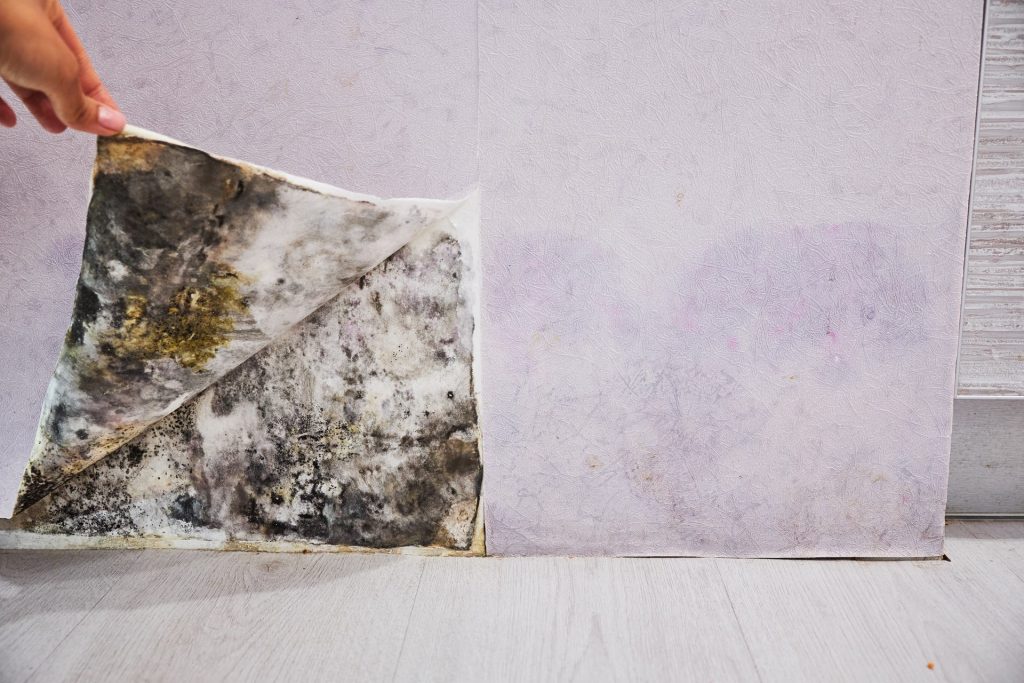
If you need to sell a house with mold problems in Hartford, CT, you still have options. You can remediate before listing, sell as-is, offer a buyer credit, or work with a local cash buyer that is willing to evaluate the property in its existing condition.
Mold can make a home sale harder, but it does not automatically make a Hartford property unsellable. The best path depends on the moisture source, damage level, occupancy, repair budget, and how quickly you need to move forward.
Paul H Buys Houses works with Central Connecticut homeowners who want to sell difficult properties without the traditional listing process. The company’s site states that it buys houses in any condition.
Quick Answer
Yes, you can sell a house with mold problems in Hartford, CT. Your main choices are to fix the mold before listing, disclose the issue and sell as-is, offer a buyer credit, or sell directly to a cash buyer. The right choice depends on repair cost, buyer financing, timeline, property condition, and your need for certainty.
Why Mold Problems Affect a Hartford Home Sale
Mold is usually not the first problem. It is often a sign of a moisture issue that has been ignored, hidden, or difficult to fully diagnose. In Hartford homes, that moisture may come from basement seepage, a roof leak, plumbing behind walls, poor attic ventilation, old bathroom fans, tenant-related maintenance delays, or a vacant house that sat without enough heat and airflow.
The Connecticut Department of Public Health mold guidance explains that mold needs water to grow, that visible mold should be removed, and that the best approach is to find and fix the moisture source before cleaning up the mold. CT DPH also says mold sampling is usually not necessary when mold is already visible.
For sellers, mold can affect buyer confidence, inspection results, repair negotiations, appraisal concerns, insurance questions, tenant complaints, code issues, and the final sale price.
In Hartford, mold concerns often come with another issue underneath the surface. An older multi-family property may have a damp basement, aging plumbing, or past roof leaks. A vacant inherited house may have sat through a Connecticut winter with limited heat or ventilation. A rental property may have delayed maintenance because the owner lives out of town or is tired of managing repairs. That local context matters because buyers are usually not just pricing the visible mold. They are pricing the uncertainty behind it.
Mold Is Often a Symptom, Not the Whole Problem
A small patch of bathroom mold caused by poor ventilation is very different from mold behind finished basement walls, attic mold caused by roof ventilation problems, or mold that appears after long-term water damage.
That distinction matters because buyers usually ask a bigger question: “What else is wrong?”
They may worry about hidden wall damage, wet insulation, soft flooring, damaged framing, roof leaks, foundation seepage, plumbing leaks, HVAC contamination, poor drainage, or repeated moisture problems.
The EPA’s mold and moisture guide explains that moisture control is the key to mold control and that mold can return if the water problem is not fixed.
For a Hartford homeowner, the real issue is not only “Can the mold be removed?” The better question is: “Will fixing this before sale improve my net proceeds enough to justify the cost, time, and risk?”
Do You Need to Fix the Mold Before a Buyer Will Take the House Seriously?
Not always. You may be able to sell a Hartford house with mold as-is, but the type of buyer matters.
A retail buyer using mortgage financing may want repairs completed before closing, especially if the mold appears connected to water damage, safety concerns, or habitability issues. An investor, contractor, or cash buyer may be more comfortable taking on the repairs after closing, but the offer will usually reflect the risk and expected cost.
If you plan to list the house traditionally, mold remediation may make the home easier to show and easier for buyers to trust. However, remediation can become expensive if the mold is behind walls, under flooring, inside insulation, or connected to a larger roof, plumbing, or basement issue.
The EPA’s mold cleanup guidance warns homeowners not to paint or caulk over moldy surfaces before cleanup and drying.
This article is for general information only and is not legal, medical, insurance, tax, or financial advice. For questions about disclosures, tenant issues, insurance claims, health concerns, or repair obligations, speak with the appropriate Connecticut professional.
The Real Decision: Repair the Mold First or Sell Around the Problem?
The best selling strategy depends on your situation, not just the mold itself.
Repair First When the House Has Strong Retail Potential
Fixing the moisture source, remediating the mold, and documenting the work may make sense if the house is otherwise marketable and you have time and money. This route may fit when the mold is limited and the repair cost is likely to be recovered through a stronger sale price.
List As-Is When You Still Want Market Exposure
An as-is listing may work if you want to expose the property to the open market but do not want to complete all repairs before selling.
This may attract investors, contractors, and buyers looking for a discount. But it can also lead to inspection objections, repair demands, lender concerns, and price reductions. If you are still deciding whether an as-is sale makes sense, this guide on selling a house as-is in Central Connecticut can help you compare the benefits, limitations, and practical next steps.
For Hartford-specific guidance, you may also want to review Paul H Buys Houses’ page on how to sell a house as-is without an inspection in Hartford, CT.
Use a Buyer Credit When the Buyer Understands the Risk
A buyer credit may help when the buyer wants to handle mold remediation after closing. The limitation is that a lender may restrict credits, and a buyer may still ask for repairs before closing.
Sell Directly When Repairs Create More Stress Than Value
Selling directly to a local cash buyer may make sense when mold is part of a larger issue, such as water damage, tenant complaints, an inherited house, vacancy, code concerns, or years of deferred maintenance. A cash offer may not match a fully repaired retail sale, but it can remove repair work, showings, and repeated inspection negotiations.
What Buyers Usually Worry About When They See Mold
Most buyers are not only worried about the mold they can see. They are worried about what the mold might reveal.
They may wonder whether there is a roof leak, plumbing issue, foundation seepage, damaged insulation, hidden wall damage, or a larger repair bill behind the surface. That is why mold often creates a bigger negotiation problem than a simple cosmetic defect.
Hartford-Specific Issues That Can Complicate a Mold Sale
Hartford has many older homes, rental properties, two-family houses, three-family buildings, and properties with long repair histories. Mold problems in these homes can quickly become more than a cosmetic concern.
A finished basement can make mold harder to evaluate because walls, flooring, and ceilings may hide moisture. Buyers may assume there is more damage than they can see, especially if there is a musty smell.
If tenants are involved, mold concerns may affect access, communication, repairs, lease obligations, and local housing concerns. Hartford’s Housing Code Enforcement division addresses upkeep and maintenance concerns that create hazards for occupants or the public.
If a property has broader deterioration, trash, vacancy, unsafe conditions, or exterior neglect, mold may be only one part of the issue. Hartford’s Blight Remediation Team enforces the city’s anti-blight and property maintenance ordinance for occupied and vacant properties that have deteriorated or become nuisances.
If your property also has major physical issues, this related guide on how to sell a house with structural damage in Hartford, CT may be useful.
What to Check Before You Decide
Before spending money on remediation or accepting an offer, try to understand the practical scope of the problem.
Ask yourself:
- Is the moisture source still active?
- Is the mold visible, hidden, or only suspected because of odor?
- Is the issue in a bathroom, attic, basement, wall cavity, flooring, or HVAC area?
- Has the property had roof leaks, plumbing leaks, flooding, or basement seepage?
- Is the house occupied, vacant, inherited, or tenant-occupied?
- Are there insurance claims, code complaints, permits, or contractor records?
- Would a traditional buyer likely need financing?
- Can you afford repairs before selling?
- Would remediation increase your final net proceeds?
- Do you need a simpler sale more than a higher possible retail price?
For disclosure-related questions, Connecticut sellers should review the state’s Residential Property Condition Report, which tells sellers to answer all questions to the best of their knowledge and disclose known problems regarding the property.
Comparing the Main Paths for a Hartford House with Mold
| Selling Path | Better Fit When | Main Benefit | Main Tradeoff |
|---|---|---|---|
| Remediate before listing | The mold is limited and the house has strong retail appeal | May attract more traditional buyers | Upfront cost, contractor delays, and hidden damage risk |
| List as-is with an agent | You want market exposure without completing every repair | Can reach investors and some retail buyers | Inspection, financing, and negotiation issues may continue |
| Offer a buyer credit | The buyer understands the repair scope | May keep a deal moving | Lender rules and buyer confidence can complicate the sale |
| Sell directly for cash | You want to avoid repairs, cleaning, showings, and uncertainty | Simpler as-is path | Cash offer may be lower than a fully repaired retail price |
| Keep and repair slowly | You are not under pressure to sell | Preserves ownership and future upside | Ongoing costs, moisture risk, and management stress |
How Paul H Buys Houses May Review a Hartford House with Mold
Paul H Buys Houses is a local Central Connecticut cash home buyer serving homeowners who want a direct alternative to repairing, listing, and waiting. The process usually starts with basic property information, such as the address, known mold or moisture concerns, occupancy status, repair history, and your preferred timeline.
The company may then review the property details, ask follow-up questions, or schedule a walkthrough. After reviewing the property, Paul H Buys Houses may provide a cash offer based on condition, estimated repairs, after-repair value, holding costs, and the seller’s situation.
You can then decide whether that offer makes more sense than remediation, an as-is listing, renting, or keeping the property. You can also review the company’s How It Works page for a clearer overview of the process.
A Hartford Example: When Mold Is Only Part of the Problem
Imagine an out-of-state heir inherits a two-family house in Hartford. One unit is vacant, the other has a tenant, and the basement has a strong musty smell. A bathroom leak from months ago caused staining on a first-floor wall, and there may be mold behind the drywall.
The seller could hire a mold professional, fix the plumbing, remove damaged materials, coordinate tenant access, and then list the house. That may make sense if the seller has time, money, and patience.
But if the seller wants to avoid opening walls, managing contractors, communicating with tenants, and dealing with multiple buyer inspections, a direct as-is sale may be more practical.
The right decision is not only about the highest possible sale price. It is about the net result after repair costs, holding costs, risk, time, stress, and uncertainty.
Mistakes to Avoid When Selling a House with Mold
Do not paint over the problem. Painting over mold may hide the issue temporarily, but it does not fix the moisture source. EPA guidance says moldy surfaces should be cleaned and dried before painting.
Do not assume a small stain means a small repair. A small stained wall can hide a larger issue behind drywall, insulation, flooring, or framing.
Do not rely only on mold testing. Testing may be useful in some situations, but CT DPH says sampling is usually not necessary when mold is visible.
Do not wait too long if the house is vacant. A vacant Hartford house with moisture problems can deteriorate quickly. Mold may spread, odors may worsen, damaged materials may decay, and additional code or safety concerns may appear over time.
When Selling As-Is May Be More Practical Than Opening Walls and Chasing Repairs
Selling as-is may be worth considering when the mold issue is part of a bigger property challenge.
That may include basement moisture, roof damage, plumbing leaks, tenant complaints, code issues, vacancy concerns, inherited property stress, out-of-state ownership, or a house that needs major repairs.
A direct cash sale is not automatically the best answer for every homeowner. If the mold issue is minor, the house is otherwise updated, and you have time to prepare it for the market, repairing first may produce a stronger sale price.
But if every repair seems to reveal another problem, selling as-is may protect you from spending money without knowing whether you will recover it.
FAQs About Selling a House with Mold Problems in Hartford, CT
Can I sell a house with mold problems in Hartford, CT?
Yes, you may be able to sell a house with mold problems in Hartford, CT. You can fix the mold before listing, sell the property as-is, offer a buyer credit, or work with a cash buyer that is willing to evaluate the house in its current condition.
Can I sell a house with mold without fixing it first in Hartford?
Yes, some buyers may purchase a Hartford house with mold without requiring the seller to fix it first. This is more common with cash buyers, investors, or buyers who are prepared to handle repairs after closing. Traditional buyers may still ask for remediation, credits, inspections, or price reductions.
Do I have to disclose mold when selling a house in Connecticut?
Connecticut sellers should be careful with known property-condition issues, including mold, water damage, leaks, or moisture problems. Disclosure requirements can depend on the property and transaction, so it is smart to review Connecticut’s Residential Property Condition Report and speak with a qualified Connecticut real estate attorney or real estate professional.
Do I need mold testing before selling a house?
Not always. If mold is visible or there is a clear mold odor, testing may not change the next step because the main issue is usually moisture control and cleanup. Testing may still help if the mold is hidden, disputed, connected to an insurance claim, or needed for documentation.
Will mold lower my home’s value?
Mold can lower a home’s value because buyers may worry about hidden water damage, repair costs, health concerns, lender issues, and future moisture problems. The impact depends on how serious the mold is, where it is located, whether the moisture source has been fixed, and how much uncertainty the buyer sees.
Will a lender approve a mortgage on a house with mold?
It depends on the lender, loan type, appraisal, inspection findings, and severity of the mold problem. If the mold affects safety, habitability, or insurability, the lender may require repairs before closing or the buyer may need a different financing option.
Is it better to remediate mold or sell the house as-is?
It depends on your budget, timeline, property condition, and likely net proceeds. Mold remediation may make sense if the issue is limited and the house has strong retail-market potential. Selling as-is may be better if the repair scope is uncertain, expensive, or connected to larger issues such as water damage, basement moisture, vacancy, tenant problems, or deferred maintenance.
Should You Fix the Mold or Sell the House As-Is?
Selling a house with mold problems in Hartford, CT is not only a repair decision. It is a financial, timing, and risk decision.
If the mold issue is small and the house is otherwise strong, fixing it before listing may help. If the problem is tied to water damage, basement moisture, tenant issues, an inherited property, vacancy, or major deferred maintenance, selling as-is may be the more practical route.
Before deciding, look at the full picture: repair costs, holding costs, buyer confidence, lender concerns, disclosure questions, your timeline, and the stress of managing the property.
If you want a direct way to sell without repairing the mold first, Paul H Buys Houses can review your Hartford or Central Connecticut property and provide a cash offer you can weigh against your other options. To start the conversation, call 860-431-6688 or visit the Sell Your House page.