
Sell a House with Structural Damage in Hartford, CT Without Making Repairs
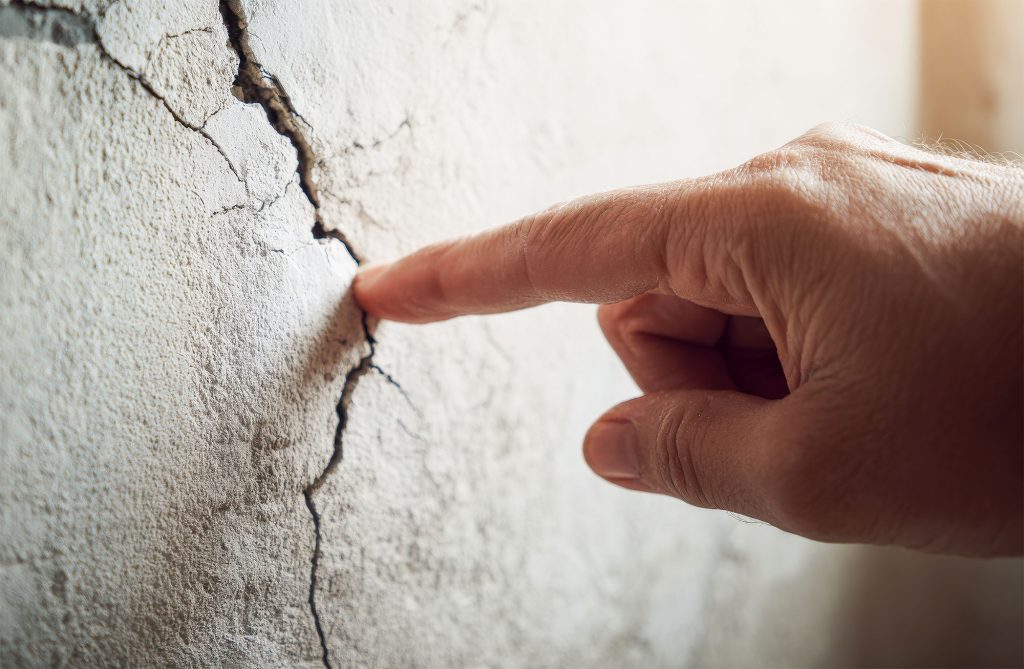
Selling a house with structural damage in Hartford, CT can feel overwhelming, especially if the property has foundation cracks, sagging floors, roof damage, rotted framing, water intrusion, unsafe porches, or repairs you cannot afford.
The good news is that a structurally damaged house can still be sold. Some homeowners repair first and list traditionally. Others choose to sell their house as-is in Central Connecticut without making major repairs before closing.
This guide explains your main options, what can delay the sale, what buyers may look for, and when selling directly to a local cash buyer like Paul H Buys Houses may make sense.
Quick Answer: Can You Sell a House with Structural Damage in Hartford, CT?
Yes, you can sell a house with structural damage in Hartford, CT. Your options include repairing before listing, selling as-is with an agent, selling directly to a local cash buyer, or keeping the property if repairs make financial sense. The best choice depends on repair cost, buyer financing, permits, title status, and your timeline.
What Counts as Structural Damage?
Structural damage usually means that an important part of the home’s support, safety, or stability has been weakened.
Common examples include:
- Foundation cracks or settlement
- Bowing basement walls
- Sagging or uneven floors
- Roof framing damage
- Rotted beams, joists, or subflooring
- Water damage affecting structural areas
- Fire damage affecting load-bearing sections
- Unsafe porches, decks, stairs, or railings
- Chimney movement or separation
- Termite or pest-related structural damage
Not every crack means the house is unsafe. Many older Hartford homes have normal settling, aging materials, or cosmetic cracks. However, when the damage affects safety, habitability, insurance, appraisals, or mortgage financing, it can become a serious selling obstacle.
Why Structural Damage Makes a Hartford Home Sale Harder
A structurally damaged house can still have value, but it usually has a smaller buyer pool.
Traditional buyers often use mortgage financing. If an inspector, appraiser, lender, or insurance company sees major structural issues, the buyer’s loan may be delayed or denied. Even if the buyer wants the house, they may not be able to close unless repairs are made first.
In Hartford, this can be especially common with:
- Older single-family homes with foundation or framing concerns
- Multifamily properties with sagging porches or uneven floors
- Vacant houses with roof leaks or water damage
- Inherited homes with years of deferred maintenance
- Rental properties with tenant damage or delayed repairs
- Houses with open permits, code violations, or unfinished work
If your main concern is speed, this guide on how to sell your house fast in Central Connecticut may also help you compare faster selling options.
Common Structural Problems in Hartford and Central Connecticut Homes
Hartford and nearby Central Connecticut communities have many older homes, multifamily buildings, and long-owned properties. Some have been well maintained. Others have roof leaks, basement moisture, old porches, outdated systems, or years of repairs that were postponed.
Foundation or Basement Wall Problems
Foundation cracks, bowing basement walls, water seepage, and settlement can worry buyers quickly. Moisture can also make the problem worse if gutters, grading, or drainage have not been maintained.
Connecticut sellers can review the official Connecticut DCP Residential Property Condition Report when preparing for a residential sale.
Roof Leaks and Framing Damage
A small roof leak can become a larger structural issue if water reaches rafters, ceiling joists, insulation, walls, or subflooring. This is common in vacant or inherited houses where no one noticed the damage early.
If roof damage is the main issue, you may also want to read about how to sell a house with roof damage in Central Connecticut.
Porch, Stair, or Deck Safety Issues
Porches, decks, stairs, and railings can become unsafe because of age, rot, water exposure, or old repairs. If the issue creates a safety concern, it may also involve inspections or housing code enforcement.
Hartford homeowners can review the city’s Licenses, Inspections, and Housing Code Enforcement page for local information related to inspections, unsafe structures, and code concerns.
Open Permits or Unfinished Work
Past repairs can also create problems if permits were opened but never closed. A buyer, title company, attorney, or municipal office may need to review the permit history before closing.
For more on this issue, read: Can You Sell a House With an Open Permit in Hartford, CT?
Should You Repair Structural Damage Before Selling?
Repairing structural damage before selling can sometimes help you get a higher price, but it is not always the best financial decision.
Before paying for major repairs, compare:
- Estimated repair cost
- Contractor and permit timeline
- Inspection or engineering costs
- Holding costs, including taxes, utilities, insurance, and mortgage payments
- Whether the repair will truly increase your net proceeds
- Whether the house has other problems besides the structural issue
- How quickly you need to sell
For example, if a Hartford house needs foundation work, roof repairs, electrical updates, plumbing repairs, and cleanup, fixing only one issue may not make the home attractive to traditional buyers. In that situation, selling as-is may be worth comparing before spending money.
For related guidance, see: How to Sell Your House Fast in Central Connecticut with Major Repairs
This article is for general homeowner education only. It is not legal, tax, engineering, insurance, or financial advice. Speak with a qualified attorney, tax professional, licensed contractor, structural professional, title company, insurance professional, or local official when needed.
Step-by-Step: How to Sell a House with Structural Damage in Hartford, CT
Step 1: Identify the Main Damage
Start by listing the known issues. Is the problem foundation movement, roof framing damage, floor sagging, porch failure, water-related rot, or something else?
If you already have inspection reports, contractor estimates, photos, insurance documents, permits, or municipal notices, gather them before speaking with buyers.
Step 2: Check for Related Sale Issues
Structural damage often comes with other complications, such as:
- Unpaid property taxes
- Municipal liens
- Code violations
- Open permits
- Probate or estate issues
- Mortgage arrears or foreclosure risk
- Tenant or occupancy concerns
- Title problems
For tax questions, Hartford homeowners can review the City of Hartford Tax Collector page. For ownership and land record matters, the Hartford Town and City Clerk land records portal may be useful.
Step 3: Compare Your Selling Options
You usually have three main choices:
- Repair the damage, then list the house traditionally.
- List the property as-is with an agent.
- Sell directly to a cash buyer who purchases damaged houses.
Repairing may attract more buyers, but it requires money and time. Listing as-is may bring market exposure, but buyers may renegotiate after inspections. Selling directly may be simpler, but the offer will reflect repair costs and buyer risk.
Step 4: Compare Net Proceeds, Not Just Offer Price
A higher offer is not always better if it includes repairs, commissions, seller credits, financing delays, or inspection contingencies.
Compare the real numbers:
- Offer price
- Repair costs
- Agent commissions
- Closing costs
- Holding costs
- Cleanup costs
- Financing risk
- Inspection risk
- Timeline to close
- Certainty of closing
For a damaged house, the strongest offer is often the one with clear terms, fewer surprises, and a realistic closing path.
Step 5: Choose the Closing Path That Fits
If you accept an offer, the title company or closing attorney will usually review ownership, taxes, liens, mortgage payoffs, and recorded issues. If the property has structural damage, the buyer may also review permits, repair estimates, insurance details, and inspection concerns.
You can review how our process works before deciding whether a direct cash sale fits your situation.
Homeowner Options Comparison Table
| Selling Option | Best If | Pros | Possible Limits |
|---|---|---|---|
| Repair before listing | You have money, time, and repairs may increase value | Larger buyer pool, possible higher sale price | Expensive, slow, contractor risk, permit delays |
| List as-is with an agent | You can wait for market exposure | More buyers may see the property | Inspection renegotiations, lender issues, commissions |
| Sell FSBO | You understand pricing, contracts, and buyer screening | More control, no listing agent commission | Harder with structural damage and legal paperwork |
| Sell to a local cash buyer | You want no repairs, cleanup, or financing delays | Simpler sale, flexible closing, as-is terms | Offer reflects repairs and buyer risk |
| Keep and repair over time | You are not under pressure to sell | May preserve long-term value | Ongoing costs, safety concerns, repair uncertainty |
Before You Accept Any Offer on a Structurally Damaged Hartford House
Before accepting an offer, review the full terms carefully. This is especially important if the house has foundation problems, framing damage, open permits, code concerns, or unsafe areas.
Check:
- Whether the buyer is paying cash or using financing
- Whether the buyer requires repairs before closing
- Whether the buyer has an inspection contingency
- Whether there are open permits
- Whether there are code violations or municipal liens
- Whether property taxes are current
- Whether the title is clear
- Whether the home has tenants or occupancy issues
- Whether the buyer can close even with structural damage
- Whether closing costs, cleanup, or commissions are deducted
- Whether the offer is written clearly
This checklist helps you compare the real strength of each offer, not just the price.
If municipal issues are part of the problem, read: Sell a House Fast with Code Violations in Central Connecticut
What Hartford Homeowners Should Know Before Selling
Hartford properties can involve more than visible repairs. Depending on the situation, homeowners may also need to think about city records, land records, property taxes, code enforcement, permits, tenants, title issues, or probate.
For example:
- A damaged rental property may have tenant access or occupancy concerns.
- A vacant house may attract safety concerns if the condition worsens.
- A property with past renovations may need permit history reviewed.
- A house with unpaid taxes may require payoff coordination at closing.
- An inherited property may need probate guidance before sale.
- A home with mortgage pressure may require quick action to avoid foreclosure in Hartford, CT.
This is why homeowners should look at the whole situation, not just the visible structural damage. A house with a cracked foundation and clear title may be easier to sell than a house with smaller repairs but liens, unpaid taxes, unclear ownership, or occupancy problems.
A Realistic Hartford Homeowner Scenario
Imagine a homeowner inherits a two-family house in Hartford. The roof is old, one upstairs room has water damage, the floors slope, and the rear porch may need major work. The owner lives out of state and does not want to manage contractors, permits, tenant access, insurance calls, and city paperwork.
The homeowner could repair the porch and roof before listing, but the estimates are high and the timeline is uncertain. Listing as-is could work, but traditional buyers may struggle with financing if the damage is serious.
In this situation, the homeowner may compare an as-is cash offer with the expected net proceeds from repairing and listing. If the cash offer avoids months of repairs and holding costs, it may be practical. If the repaired value is much higher and the owner has time and funds, repairing first may be better.
Common Mistakes to Avoid
Spending Money Before Comparing Options
Some homeowners start repairs before knowing whether those repairs will increase their net proceeds. Compare repair costs, holding costs, and selling options first.
Ignoring Permits or Past Work
If structural work was done without proper documentation, it may come up during buyer review, title work, or municipal due diligence.
Assuming No Buyer Will Want the House
A damaged house may not appeal to every buyer, but investors, contractors, and cash buyers often evaluate properties based on after-repair value, repair scope, location, and closing risk.
Looking Only at the Highest Offer
A financed offer with inspection risk may not be stronger than a lower cash offer with clearer terms. Compare certainty, timing, deductions, and repair requirements.
Waiting Until Damage Gets Worse
Water intrusion, unsafe porches, roof leaks, and foundation movement can become more expensive over time. Even if you do not sell right away, document the condition and understand your options.
How Paul H Buys Houses Helps Hartford Homeowners Sell As-Is
Paul H Buys Houses works with Connecticut homeowners who want a simpler way to sell properties that need repairs, cleanup, updates, or major work.
The process is simple:
- Share basic information about the Hartford property.
- Schedule a walkthrough or property review.
- Receive a no-obligation cash offer based on the current condition.
- Compare the offer with your other options.
- Close on a timeline that fits the title, property, and seller situation.
You do not need to repair structural damage, clean out the house, update old systems, or make the property show-ready before requesting an offer.
A cash sale is not right for every homeowner. If you have the money, time, and confidence to repair and list, that may produce a better result. But if the property has major damage, open repair concerns, foreclosure pressure, tenant issues, or deferred maintenance, selling as-is may be worth comparing.
Helpful Hartford and Connecticut Resources
These official Hartford and Connecticut resources may help homeowners review disclosure forms, property taxes, code issues, permits, and land records before selling a structurally damaged house.
- Connecticut DCP Residential Property Condition Report
- City of Hartford Licenses, Inspections, and Housing Code Enforcement
- City of Hartford Tax Collector
- Hartford Town and City Clerk Land Records
FAQs About Selling a House with Structural Damage in Hartford, CT
Can I sell a house with structural damage in Hartford, CT?
Yes, you can sell a house with structural damage in Hartford, CT. You may repair first, list as-is, or sell directly to a local cash buyer. The best choice depends on the damage, repair cost, buyer financing, title status, and your timeline.
Can I sell a house with foundation problems in Hartford, CT?
Yes. A house with foundation problems can still be sold in Hartford, but traditional buyers may worry about inspections, insurance, financing, and repairs. Cash buyers and investors may be more comfortable evaluating the property in its current condition.
Do I have to disclose structural damage when selling a house in Connecticut?
Known structural issues may need to be addressed through Connecticut’s seller disclosure process, depending on the property and transaction. If you know about foundation problems, water damage, unsafe areas, or past structural repairs, speak with a qualified real estate attorney or agent.
Will a bank finance a house with structural damage in Connecticut?
A bank may not finance a house if structural damage affects safety, habitability, insurance approval, or appraised condition. Homes with major foundation issues, roof framing damage, unsafe porches, or severe water damage may be harder to sell to financed buyers.
Can I sell a Hartford house with open permits?
Yes, but open permits can delay or complicate closing. A buyer, title company, attorney, or municipal office may need to review the permit history. Some cash buyers may still purchase a Hartford property as-is, depending on the issue.
What if my structurally damaged Hartford house has code violations?
You may still be able to sell, but code violations can affect buyer interest, price, timeline, and closing requirements. A local cash buyer may review the property as-is and decide whether the violations can be handled after closing.
Is it better to repair structural damage or sell as-is?
It depends on repair cost, property value, available time, contractor risk, and your financial situation. Repairing may help if the damage is limited. Selling as-is may be better if repairs are expensive, uncertain, or likely to delay the sale.
Can I sell a house that may not pass inspection?
Yes. A house that may not pass inspection can still be sold, but traditional buyers may renegotiate, cancel, or struggle with financing. An as-is buyer may be more willing to purchase the home without requiring repairs before closing.
What if my structurally damaged house also has unpaid taxes or liens?
Unpaid taxes, liens, or municipal charges usually need to be reviewed before closing. In many sales, these issues may be paid from the sale proceeds, but exact handling depends on the title company, attorney, municipality, and property situation.
Can I sell an inherited house with structural damage in Connecticut?
Yes, an inherited house with structural damage can often be sold in Connecticut, but the estate or probate status must be handled properly. If ownership is unclear or the property is still in probate, speak with a probate attorney or title professional.
Can I sell a structurally damaged rental property with tenants?
It may be possible, but lease terms, access, safety, rent status, and tenant rights matter. Before selling, review the lease and speak with a qualified attorney or local professional if the property has occupancy or habitability concerns.
For more help, read: Sell a House with Tenants in Connecticut
Is a cash offer better than listing with an agent?
A cash offer may be better if you want to sell quickly, avoid repairs, reduce inspection risk, and close with fewer financing delays. Listing with an agent may be better if the damage is manageable and you have time to wait.
Compare an As-Is Cash Offer Before Making Repairs
If repairing structural damage does not make financial sense, Paul H Buys Houses can review your Hartford property as-is and provide a fair local cash offer. You can compare the offer with repairing, listing, or waiting before deciding what is best for your situation.