
Should You Clean a Hoarder House Before Selling in Central Connecticut?
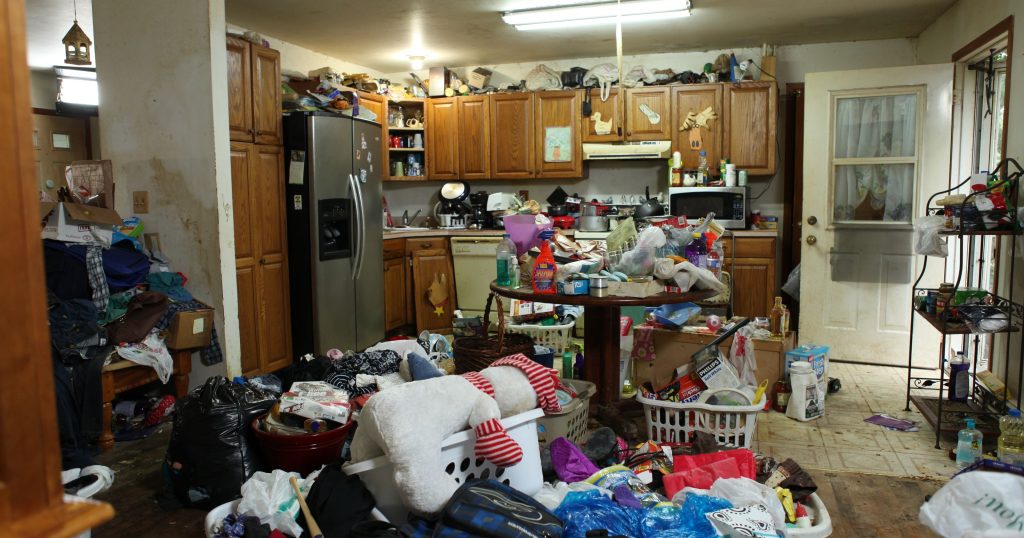
If you are preparing to sell a house filled with years of belongings, it can feel natural to start by ordering a dumpster or hiring a cleanout company.
Before spending money, find out how much preparation the property actually needs for the way you intend to sell it. A full cleanout may help a traditional listing, while a partial cleanout or as-is sale may be more practical in other situations.
The term “hoarder house” is commonly used in real estate searches. Here, it describes the property condition rather than labeling or diagnosing the person who lived there.
Quick Answer
You do not always need to clean a hoarder house before selling in Central Connecticut. A full cleanout can be worthwhile when it improves marketability and likely net proceeds. Partial cleanup may be enough when buyers mainly need safe access. Selling as-is may make more sense when cleanup is costly, unsafe, difficult to coordinate, or likely to uncover major repairs.
For a broader overview, see our guide to selling a hoarder house in Central Connecticut.
Decide How You Want to Sell Before You Start Cleaning
The amount of cleaning that makes sense depends on the buyer you want to reach.
If you plan to list on the open market, clear rooms can help with photography, showings, inspections, and buyer confidence. If you are considering a direct buyer willing to purchase the house in its current condition, cosmetic presentation may matter much less.
| Approach | Often makes sense when | Main tradeoff |
|---|---|---|
| Full cleanout | You want broad retail exposure and the property is otherwise marketable | More upfront cost, work, and risk of uncovering repairs |
| Partial cleanout | Buyers need safe access, but emptying everything adds limited value | Requires selective work |
| Sell in current condition | A buyer agrees to accept the property and specified contents as-is | Less seller work, but the offer may reflect cleanup and repair costs |
The choice depends on price, expenses, workload, timing, and uncertainty.
When a Full Hoarder House Cleanout May Be Worth It
A full cleanout can make sense when belongings are the property’s main obstacle rather than the house itself.
If the home appears to have functional systems and manageable repairs, clearing rooms may help buyers understand the layout, access mechanical systems, and judge its condition. That can expand the buyer pool and make a conventional listing easier to market.
A traditional sale also benefits from clearer photography and easier showings. Before a major cleanout, ask a local agent how the property might be positioned before and after cleanup.
Most importantly, compare likely net proceeds, not just sale price.
Prepared sale: expected proceeds minus cleanup, repairs, carrying costs, selling expenses, and other preparation costs.
Current-condition sale: as-is proceeds minus the costs that still remain your responsibility.
A higher sale price may not produce a better result if reaching it requires months of cleanup, repairs, carrying costs, travel, and contractor coordination.
Count the Real Cost of Cleaning
A junk-removal quote is only part of the project.
A full cleanout may involve:
- Sorting and labor
- Dumpster rental and hauling
- Donation or storage costs
- Pest treatment
- Deep cleaning and odor treatment
- Flooring removal
- Repairs discovered after rooms are cleared
- Utilities and maintenance while work continues
- Travel and contractor coordination
Your own time matters too. A nearby owner may supervise work over several weekends, while an out-of-state heir may need to travel, arrange access, coordinate relatives, and manage contractors remotely.
Why Central Connecticut Homes Can Make Cleanup More Complicated
In established Central Connecticut communities, houses may have basements, attics, garages, older mechanical systems, and years of deferred maintenance. Clearing stored belongings can expose hidden repair needs.
Two-family or small multifamily properties may also have clutter in shared basements, stairwells, garages, or storage areas. Inherited homes add another layer because documents, valuables, photographs, and sentimental belongings may be mixed with ordinary household contents.
If the property is vacant during cleanup, utilities, heating, insurance, access, and maintenance may continue adding to the workload.
A Partial Cleanout Can Be the Better Middle Ground
You do not always have to choose between emptying everything and leaving the house untouched.
A strategic partial cleanout can improve access without turning the sale into a major project.
Focus first on entrances, hallways, stairs, major rooms, electrical panels, heating equipment, the water heater, kitchens, bathrooms, and basement access. This can reduce uncertainty without requiring you to empty every closet, attic, shed, or garage.
Before bulk removal begins, protect important items such as deeds, wills, mortgage records, tax documents, cash, jewelry, keys, photographs, collectibles, medication, and sentimental belongings.
If the property is inherited, confirm who has authority to make decisions about estate contents before disposing of them.
When Selling Before a Full Cleanout May Make More Sense
Some properties should be evaluated before significant cleanup money is spent.
Removing belongings can reveal water damage, damaged flooring, pests, plumbing leaks, electrical problems, roof issues, basement moisture, mold, or structural deterioration.
If substantial repairs remain after the house is emptied, spending heavily on presentation may not create enough added value to justify the cost.
For more detail, see our Central Connecticut as-is home-selling guide.
Selling before a full cleanout may also suit an out-of-state owner facing repeated trips, contractor scheduling, storage decisions, and ongoing property oversight.
Family involvement matters too. One relative may see an item as trash while another considers it important. If authority over estate property is uncertain, speak with an appropriate Connecticut attorney or closing professional before disposing of belongings.
Some Cleanup Conditions Require Extra Safety
Some cleanouts require more than relatives, ordinary movers, or a basic junk-removal crew.
Use extra caution around human or animal waste, needles, heavy pest contamination, unstable piles, damaged floors, exposed wiring, fuels, solvents, pesticides, unknown chemicals, or significant mold.
The Connecticut Department of Energy and Environmental Protection maintains a Household Hazardous Waste Collection Schedule. For mold concerns, the U.S. Environmental Protection Agency provides mold and moisture guidance.
Do not ask family members to enter an area they reasonably believe is unsafe.
Does Selling As-Is Mean You Can Leave Everything Behind?
No.
Selling a home as-is generally addresses its physical condition. Whether furniture, trash, personal property, garage contents, or other belongings may remain should be addressed separately.
If a buyer agrees to accept remaining contents, the purchase agreement should clearly state what may stay, what must be removed, how hazardous materials are handled, and who becomes responsible for the remaining items after closing.
Do not rely only on a verbal statement such as “leave whatever you want.”
Selling As-Is Does Not Eliminate Disclosure Questions
A crowded property can make some conditions difficult to observe. Sellers should not guess about what they cannot see, but selling as-is should not be treated as permission to hide a known problem.
The Connecticut Department of Consumer Protection provides current real estate consumer resources, including the state’s Residential Property Condition Report and Residential Foundation Condition Report.
Practical disclaimer: This article provides general educational information, not legal, tax, environmental, or financial advice. Disclosure requirements, estate authority, hazardous materials, title issues, and municipal requirements can depend on the specific property and transaction. Consult the appropriate Connecticut professional when needed.
A Central Connecticut Hoarder House Example: Clean, Partially Clean, or Sell As-Is?
Consider a hypothetical two-family property in New Britain inherited by an adult daughter after a parent’s death.
One unit is reasonably accessible. The other contains furniture, boxes, papers, clothing, kitchen items, and stored household goods. The basement is crowded enough that some mechanical systems are difficult to inspect.
She lives several hours away and initially assumes both units must be emptied before she can sell.
Instead, she compares three paths:
Full cleanout and preparation: potentially stronger retail presentation, but more upfront work, travel, and uncertainty about repairs.
Selective cleanout: remove family belongings and important documents, clear pathways, expose major systems, and then reassess.
Current-condition sale: accept a lower potential price in exchange for transferring agreed cleanup and repair responsibilities to the buyer.
The useful comparison is which option leaves her with the best overall result after cleanup expenses, repairs, carrying costs, travel, time, and uncertainty.
This example is hypothetical and does not represent a guaranteed price, cost, offer, or closing result.
Should You Clean Before Listing With a Real Estate Agent?
If your goal is a conventional listing, speak with a local agent before spending heavily. Ask what the property might realistically sell for today, whether a basic cleanout would be enough, and which preparation is unlikely to pay for itself.
That conversation can show whether the house needs less work than expected or whether a fuller cleanup could materially improve its marketability.
What If You Prefer Not to Manage the Cleanout?
A direct sale is another option to compare.
Paul H Buys Houses is a local cash home buyer serving Central Connecticut and purchases properties directly. Homeowners may be able to sell in existing condition without completing a full cleanout or repairs first.
Review how the Paul H Buys Houses process works if you want to compare a direct offer with a traditional or as-is listing.
A direct sale may reduce seller-managed cleanup, repairs, showings, and financing uncertainty, while a prepared retail sale may produce a higher price. The better fit depends on your property and priorities.
Before Paying for a Major Cleanout, Ask These Six Questions
- What could the house reasonably sell for in its current condition?
- What might it sell for after a defined cleanup?
- What will the complete cleanup actually cost?
- What repairs might appear after belongings are removed?
- How much time and coordination can I realistically handle?
- Would a buyer accept some or all of the contents?
These questions can help you decide whether to clean fully, clean selectively, or explore an as-is sale before committing significant money.
Frequently Asked Questions
Do I Have to Clean a Hoarder House Before Selling in Central Connecticut?
No. A complete cleanout is not always required. Depending on the property and buyer, you may be able to sell as-is or complete only enough cleanup to provide safe access.
Is It Better to Clean a Hoarder House or Sell It As-Is?
It depends on the home’s condition and the likely return from cleaning. Cleanup may help a retail sale, while selling as-is may make more sense when cleanup and repairs would be expensive or difficult to manage.
Can I Partially Clean a Hoarder House Before Selling?
Yes. A partial cleanout can clear pathways, major rooms, and important systems without emptying the entire property.
Can You Sell a Hoarder House With Belongings Still Inside in Central Connecticut?
Potentially. Some buyers may accept remaining belongings, but the purchase agreement should clearly state what may remain and who becomes responsible for disposal after closing.
What Should I Remove First From a Hoarder House?
Start with important documents, cash, jewelry, medication, keys, family photographs, collectibles, and sentimental belongings. Then focus on safe access to major rooms and systems.
Should I Hire a Cleanout Company Before Trying to Sell?
Not necessarily. First compare the property’s current-condition options with what it might realistically be worth after cleanup. That can help you avoid spending money on work that may not significantly improve your net proceeds.
Should You Clean a Hoarder House Before Selling?
If removing the contents will expose a marketable home, expand the buyer pool, and leave you with meaningfully higher net proceeds, cleaning may be worthwhile.
If cleanup is likely to lead into costly repairs, unsafe conditions, long-distance coordination, family disagreements, or months of carrying expenses, a full cleanout may not be the best first move. A partial cleanout can also be a practical compromise.
Before deciding, compare the likely sale price, cleanup costs, repair needs, workload, timing, and certainty of each option.
If selling as-is without taking on a full cleanout appears to fit your situation, Paul H Buys Houses can review your Central Connecticut property and provide a no-obligation cash offer for you to compare with an agent-assisted sale, an as-is listing, or a cleanup-and-prepare strategy.