
Can You Sell a Hoarder House As-Is in Central Connecticut?
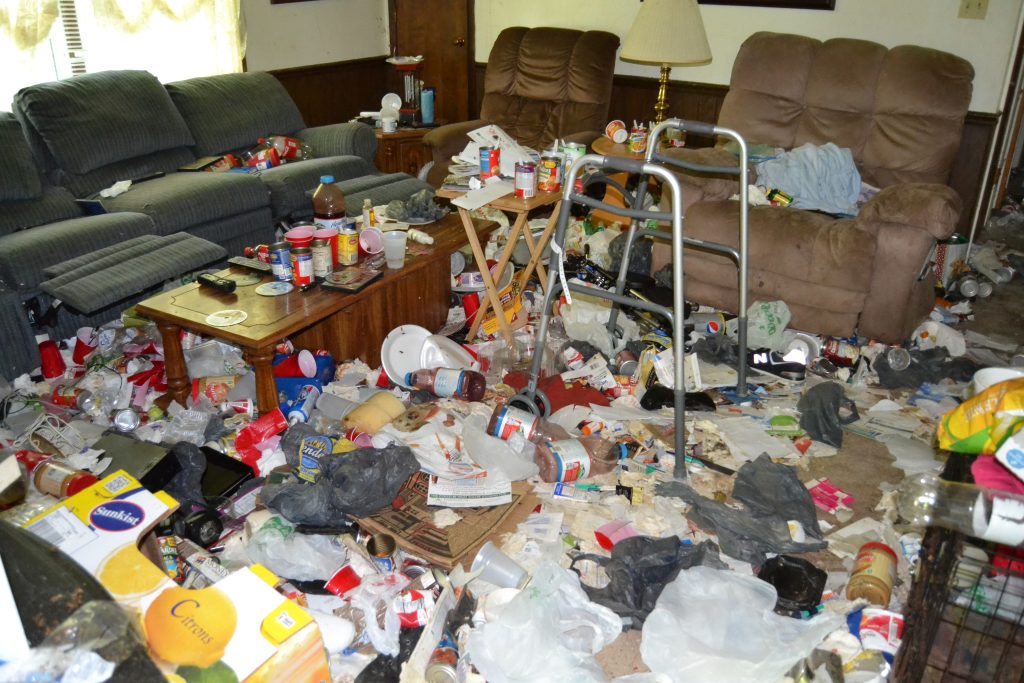
Yes. You can sell a hoarder house as-is in Central Connecticut without first turning it into a clean, repaired, move-in-ready property.
Depending on the buyer and purchase agreement, you may be able to avoid a full cleanout, major repairs, staging, and repeated preparation for showings. What “as-is” does not do is remove every responsibility connected with the sale. A buyer may still inspect the property, Connecticut disclosure requirements may apply, title must transfer properly, and belongings left inside should be addressed in writing.
The real question is not simply whether an as-is sale is possible. It is how much work is worth doing before you sell and which responsibilities you want to keep or transfer to the buyer.
For the broader process, read our complete guide to selling a hoarder house in Central Connecticut.
Quick Answer
Yes, a hoarder house can be sold as-is in Central Connecticut. You may not need to complete major repairs or remove every belonging first if the buyer accepts the agreed condition. However, as-is does not automatically eliminate inspections, seller disclosures, title requirements, or the need to specify what happens to personal property left behind.
What “As-Is” Really Means for a Hoarder House
In practical terms, an as-is sale usually means the seller does not plan to complete specified repairs or renovations before closing. The exact purchase agreement controls what the buyer accepts.
That can be useful when a property has:
- Heavy clutter
- Damaged flooring
- Old kitchens or bathrooms
- Deferred maintenance
- Water damage
- Pest concerns
- Aging systems
- Rooms that are difficult to access
A contents-filled house may also hide conditions that cannot be fully evaluated at first. Boxes, furniture, papers, and stored belongings may block floors, walls, plumbing, electrical panels, basements, or mechanical systems.
An as-is buyer may be willing to accept more of that uncertainty.
The tradeoff is simple: the more cleanup, repair work, and uncertainty the buyer accepts, the more those factors may affect the offer.
For broader guidance, see Selling a House As-Is in Central Connecticut.
What As-Is Does Not Mean
“As-is” is often misunderstood.
| As-Is May Mean | It Does Not Automatically Mean |
|---|---|
| No major seller-funded renovation | The buyer cannot inspect the property |
| Seller does not plan to repair every defect | Known problems can be concealed |
| Buyer accepts agreed property condition | Anything inside can automatically be abandoned |
| Less preparation before sale | No title or closing work |
| Buyer accepts future repair responsibility | Every contract contingency disappears |
| Property can be offered in its current state | Every buyer or lender will accept the condition |
The easiest way to understand the sale is to separate the house, the belongings, and the transaction.
Use the As-Is Responsibility Test
Before deciding whether to clean, repair, list, or sell directly, answer three questions.
1. What Belongs to the House?
Start with the real estate itself.
A Central Connecticut hoarder property may have:
- Damaged flooring
- Plumbing leaks
- Roof problems
- Basement moisture
- Pest damage
- Aging electrical systems
- Heating problems
- Structural concerns
- Odors absorbed into building materials
- Years of deferred maintenance
These issues remain part of the property whether the rooms are empty or full.
If major repairs are already obvious, read our guide to selling a Central Connecticut house that needs major repairs.
2. What Belongs to the Contents?
Personal property is a separate issue.
A house may contain furniture, clothing, papers, tools, photographs, collectibles, appliances, chemicals, medications, vehicles, or items belonging to relatives or tenants.
Owning the real estate does not always answer who owns every item inside.
This becomes especially important with an inherited house, former tenant property, divorce, shared ownership, or disputed family belongings.
For a deeper look at this issue, read Can You Sell a Hoarder House Without Removing the Belongings in Hartford, CT?.
3. What Still Belongs to the Transaction?
Even when the physical property is sold as-is, the transaction may still involve:
- Ownership verification
- Purchase-contract terms
- Title review
- Mortgage payoff
- Liens
- Required signatures
- Applicable property disclosures
- Probate authority
- Municipal issues
- Closing requirements
This is the most important distinction:
Selling as-is may reduce physical preparation. It does not make the legal and closing process disappear.
Do You Have to Clean a Hoarder House Before Selling?
No. A complete cleanout is not automatically required.
Cleaning may help when accumulated belongings are the main obstacle and the property underneath is otherwise attractive to retail buyers. Removing contents can improve photography, create safer access, and allow buyers to understand the house more easily.
But a full cleanout can also reveal more work.
Once rooms are cleared, you may discover:
- Damaged flooring
- Water intrusion
- Pest activity
- Wall damage
- Plumbing problems
- Odors
- Repairs that were previously hidden
Before hiring a cleanout crew, compare what the property could realistically sell for now with what it might sell for after cleanup.
Our dedicated guide, Should You Clean a Hoarder House Before Selling in Central Connecticut?, explains that decision in more detail.
Can Belongings Stay Inside?
Possibly, if the buyer agrees.
Do not assume that selling the house as-is automatically allows every item to remain.
The purchase agreement should state:
- What the seller must remove
- What may stay
- Whether garage, basement, attic, or shed contents are included
- Who becomes responsible for accepted belongings after closing
- Whether hazardous materials must be removed separately
Certain paints, pesticides, solvents, oils, batteries, and similar materials may require proper disposal. The Connecticut Department of Energy and Environmental Protection provides an official household hazardous-waste collection schedule.
If the house is part of an estate or contains property that may belong to someone else, confirm your authority before discarding it.
Can a Buyer Inspect an As-Is Hoarder House?
Yes, depending on the contract.
“As-is” and “no inspection” are not the same thing.
A buyer may want enough access to evaluate important areas such as:
- Electrical panels
- Heating equipment
- Water heaters
- Basement walls
- Plumbing
- Attics
- Floors
- Foundations
The purchase agreement should explain any inspection, walkthrough, or due-diligence rights.
The Connecticut Department of Consumer Protection advises consumers to understand purchase contracts, inspections, deposits, and disclosure requirements when buying or selling real estate. You can review its real estate consumer guidance.
What About Connecticut Property Disclosures?
Selling as-is should not be treated as permission to hide a known property problem.
The Connecticut Department of Consumer Protection provides current residential property-condition disclosure resources, including the Residential Property Condition Report and Residential Foundation Condition Report.
Homeowners can review the state’s current real estate consumer and disclosure resources.
A hoarder house creates an additional challenge because some areas may be difficult to see.
If you know about a leaking roof, recurring basement water, plumbing problem, foundation concern, or another defect, accumulated belongings do not erase that knowledge. At the same time, you should not guess about areas that you genuinely cannot inspect.
If disclosure, probate, ownership, title, or contract questions are unclear, speak with a qualified Connecticut real estate attorney or other appropriate professional.
This article provides general real estate information, not legal, tax, environmental, or financial advice.
Hidden Damage Matters More Than the Amount of Clutter
A heavily cluttered house is not automatically a badly damaged house.
Consider two Central Connecticut properties with similarly crowded rooms.
The first needs a cleanout, new flooring, paint, and minor repairs.
The second has the same amount of visible belongings, but stored items have concealed basement moisture, subfloor damage, a plumbing leak, and pest activity.
Those houses should not be valued the same way.
That is why there is no responsible standard “hoarder house discount.”
More useful questions are:
- What can currently be inspected?
- What damage is already known?
- What work is likely after cleanup?
- How much uncertainty remains?
- Which buyers are comfortable with the condition?
When Leaving the House Alone May Be the Smarter Move
Selling as-is may make sense when the cleanup itself has become a major project.
That may be the case when:
- Several rooms are difficult to access
- Major repairs are already expected
- Cleanup quotes are substantial
- The house is vacant
- The owner lives outside Connecticut
- Several heirs must coordinate decisions
- Privacy is important
- The seller does not want to manage contractors
- Cleaning is unlikely to turn the property into a strong retail listing
The objective is not to avoid work at any cost.
It is to avoid paying for work that does not improve your final result enough to justify it.
When Cleanup Could Actually Pay for Itself
Cleaning first can make sense when the belongings are the primary problem.
If removing the contents creates safer access, better photographs, easier inspections, and a larger buyer pool without triggering a major renovation, cleanup may improve your net result.
Compare:
Expected sale after cleanup
minus cleanup
minus repairs
minus carrying costs
minus applicable selling expenses
with:
Expected current-condition sale
The important question is not whether cleaning increases the sale price. It is whether it increases what you are likely to keep.
Three Ways to Sell the Property
| Option | Best Fit When | Main Benefit | Main Tradeoff |
|---|---|---|---|
| Clean, repair, and list | Preparation can materially improve marketability | Broad retail exposure | More money, coordination, and time |
| List as-is with an agent | You want open-market exposure without major renovation | Wider buyer pool | Inspections, financing, and negotiations may remain |
| Sell directly as-is | You want to transfer more cleanup and repair responsibility | Less seller-managed preparation | Offer may be lower than a successful prepared retail sale |
No option is best for every homeowner.
The right choice depends on the property underneath the belongings, cleanup costs, repair needs, available time, and how much work you want to manage.
Central Connecticut Example: When Cleanup Is Only Part of the Problem
Consider a hypothetical older family home in Manchester.
The basement has been used for decades of storage. The garage contains tools and household items. Bedrooms are filled with furniture, boxes, and papers. The owner now lives outside Connecticut.
At first, the plan seems obvious: empty everything, repair the house, and list it.
A closer look changes the decision.
One basement area cannot be fully evaluated because of stored items. The heating system is aging. There are signs of an older water problem near a foundation wall. Contractors need someone local to provide access, and keeping the house through another Central Connecticut winter means continued utilities, insurance, property checks, and maintenance.
The owner compares three paths:
Clean and prepare: Better presentation, but more travel, contractor management, upfront cost, and carrying time.
List as-is: Open-market exposure with less renovation, but buyers may still require access and inspections.
Direct sale: Less owner-managed preparation, with the offer reflecting cleanup, repairs, and uncertainty.
The real issue is no longer clutter alone.
It is which responsibilities the owner wants to keep and which are worth transferring to the next buyer.
How to Compare a Cash Offer
If you consider a direct buyer, look beyond the purchase price.
Ask:
- Who is named as the buyer?
- Does the buyer expect to take title?
- Can the contract be assigned?
- Can the buyer provide proof of funds when appropriate?
- Is another inspection required?
- What could cause the offer to change?
- Which belongings can remain?
- Who handles cleanup?
- Who pays which closing expenses?
- When can either party cancel?
Connecticut now regulates residential real estate wholesaling. The Connecticut Department of Consumer Protection provides current real estate wholesaling guidance, including registration and disclosure requirements that took effect July 1, 2026.
If someone intends to wholesale or assign your contract rather than purchase the property directly, understand the agreement before signing and consider legal review when appropriate.
How Paul H Buys Houses May Fit Into the Comparison
Paul H Buys Houses is a local cash home buyer serving Central Connecticut and purchases properties directly.
For a hoarder property, you can start by sharing basic information about the house, its condition, access, belongings, and known repairs.
The company may review the property and provide a no-obligation cash offer when it fits its buying criteria.
Its How It Works page explains that offer calculations consider factors such as after-repair value, expected repair costs, selling costs, and the buyer’s required return.
That offer should be treated as one option to compare with:
- Cleaning and repairing first
- Listing as-is
- Listing after improvements
- Keeping the property
- Another legitimate selling path
Frequently Asked Questions
Can I sell a hoarder house as-is in Central Connecticut?
Yes. You may be able to sell without a full cleanout or major renovation if the buyer agrees to accept the property’s current condition.
Do I have to clean a hoarder house before selling it in Connecticut?
Not always. Cleaning may help if it materially improves marketability and likely net proceeds, but some buyers will consider the property without a full cleanout.
Can I sell a hoarder house with belongings still inside?
Possibly. The buyer must agree to accept the specified belongings, and the purchase agreement should clearly state what can remain after closing.
Can a buyer inspect a hoarder house being sold as-is?
Yes. Selling as-is does not automatically remove a buyer’s inspection or due-diligence rights. The purchase contract determines what access is allowed.
Do I have to disclose problems when selling a hoarder house as-is in Connecticut?
Applicable Connecticut disclosure requirements may still apply. An as-is clause should not be treated as permission to conceal known property defects.
Is it better to clean a hoarder house or sell it as-is in Central Connecticut?
It depends on the property’s condition and cleanup cost. Cleaning may make sense if it meaningfully improves your net proceeds; selling as-is may be more practical when cleanup and repairs require too much time, money, or coordination.
Decide How Much Work Is Worth Doing Before You Sell
You do not have to turn a hoarder house into a renovated retail property before selling it.
Start by separating three things: the house, the contents, and the transaction.
Understand the property’s known condition. Protect belongings that should not be discarded. Confirm what a buyer is willing to accept. Identify title or disclosure issues. Then compare how much work each selling path requires and what you are likely to keep after costs.
If a cleanout and selected repairs are likely to improve your net result enough to justify the work, preparing the property may make sense.
When cleanup, repairs, travel, carrying costs, or coordination outweigh the likely benefit, an as-is sale may be the more practical option.
If you want a direct-sale number for comparison, Paul H Buys Houses can review your Central Connecticut property and provide a no-obligation cash offer. Compare it with an as-is agent listing, cleaning and repairing first, or another option before deciding.
Phone: 860-431-6688
Email: paul@paulhbuyshouses.com