
How to Sell a Vacant House Fast for Cash in Central Connecticut
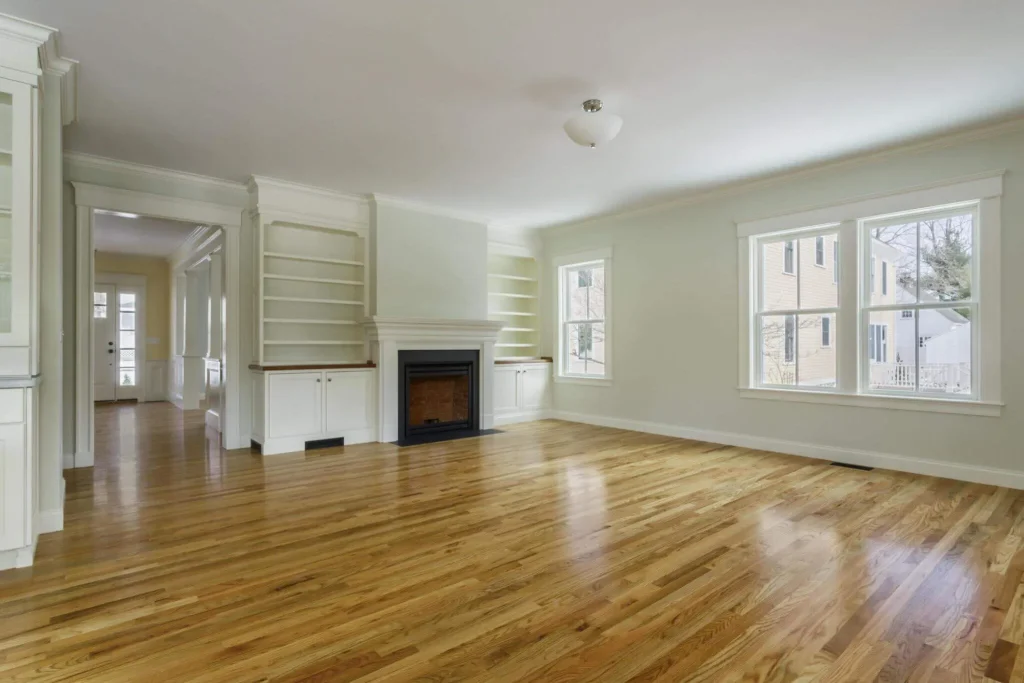
A vacant house does not have to be fully renovated, staged, or completely emptied before you sell it.
If you need to sell a vacant house fast for cash in Central Connecticut, start by protecting the property, confirming insurance and utility decisions, identifying ownership or title problems, and understanding what it is costing you to keep the house empty. Then compare an as-is listing, traditional listing, FSBO sale, keeping or renting the property, and a direct cash offer based on your likely net proceeds, effort, risk, and timeline.
An empty property creates problems that an occupied home may not. Nobody is there every day to notice a leaking pipe, heating failure, damaged window, roof leak, municipal notice, or security concern before it becomes more expensive.
That is why selling a vacant house should begin with preserving the property and understanding your options, not automatically renovating it.
Quick Answer
To sell a vacant house quickly in Central Connecticut, secure and monitor the property, confirm insurance and utilities, gather ownership and payoff documents, identify damage or municipal issues, and decide how much work you are willing to do. Then compare an as-is sale, traditional listing, FSBO, renting, and direct cash offers based on net proceeds, preparation, risk, and timing.
What Changes When a Connecticut House Becomes Vacant?
Vacancy itself does not make a house difficult to sell. The concern is what may happen while nobody is living there.
An owner living in the property may notice a plumbing leak within hours. In a vacant home, that same problem could continue until the next inspection.
Other concerns may include:
- Frozen or leaking pipes
- Heating-system failure
- Basement water
- Roof leaks
- Broken doors or windows
- Unauthorized entry
- Accumulated mail
- Overgrown landscaping
- Snow and ice
- Pest problems
- Exterior deterioration
- Municipal notices
Connecticut winters make property monitoring especially important. State guidance warns homeowners that frozen pipes can cause significant property damage. Homeowners can review Connecticut’s winter home-safety guidance for general information about freeze prevention.
The better question is not simply, “How fast can I sell?”
It is:
“What could become more expensive while I decide how to sell?”
The Vacant House Decision Check
Before hiring contractors or accepting an offer, evaluate four things: condition, carrying burden, distance, and closing complexity.
This gives you a clearer picture of what the property actually requires.
1. Property Condition
Separate true property-preservation issues from cosmetic improvements.
Conditions that may deserve immediate attention include:
- Active roof leaks
- Plumbing leaks
- Broken exterior doors or windows
- Water intrusion
- Heating problems in freezing weather
- Serious drainage issues
- Safety hazards
Other issues may affect marketability without requiring immediate repair:
- Old flooring
- Outdated kitchens
- Damaged drywall
- Deferred maintenance
- Aging mechanical systems
- Old bathrooms
- Heavy belongings or debris
If the property already has water problems, see how to sell a house with water damage in Central Connecticut.
For roofing issues, review selling a house with roof damage in Central Connecticut.
2. Carrying Burden
Write down what the vacant property costs each month.
Depending on your situation, that may include:
- Mortgage payments
- Property taxes
- Insurance
- Electricity
- Heating fuel or gas
- Water
- HOA or condominium charges
- Lawn care
- Snow removal
- Property checks
- Security
- Emergency repairs
- Travel
The most useful calculation is:
Monthly carrying expenses × likely additional ownership period
Then add expected maintenance or repair costs.
For a deeper breakdown, see How Much Does It Cost to Keep a Vacant House in Central Connecticut?.
3. Distance
A vacant property nearby is easier to manage than a Connecticut house you own while living several states away.
Distance can complicate:
- Property inspections
- Contractor appointments
- Cleanout
- Buyer access
- Lawn and snow care
- Emergency repairs
- Mail and municipal notices
- Closing coordination
If you are managing the home remotely, see How to Sell a Vacant House in Central Connecticut From Out of State.
4. Closing Complexity
Sometimes the house itself is not the biggest problem.
A sale may be complicated by:
- Multiple owners
- Probate
- Trust ownership
- Divorce
- An old mortgage
- A HELOC
- Liens or judgments
- Unpaid property taxes
- Open permits
- Municipal balances
- Ownership disputes
If the property was inherited, start with our guide to selling an inherited house in Central Connecticut.
The main point: a well-maintained vacant home with clear ownership is very different from a vacant house with water damage, several heirs, unresolved liens, and an owner living far away.
Protect the Property Before You Renovate It
A common mistake is starting cosmetic improvements before deciding how the house will be sold.
Use a simple three-level test.
Level 1: Prevent More Damage
Address issues that could worsen quickly.
That may include:
- Active leaks
- Broken windows
- Damaged exterior doors
- Heating failures
- Roof openings
- Drainage problems
These are property-preservation decisions, not remodeling decisions.
Level 2: Improve Basic Marketability
If you plan to list, selected low-cost work may help:
- Basic cleaning
- Removing obvious trash
- Minor drywall repair
- Simple landscaping
- Replacing broken fixtures
- Improving lighting
Ask a knowledgeable local agent what is likely to improve the sale before spending heavily.
Level 3: Renovate for Retail Buyers
Kitchen replacements, bathroom remodels, new flooring, extensive painting, or major cosmetic upgrades may improve market appeal.
They may also require significant time and money.
Before renovating, compare the likely repaired-sale net with the option of selling the house as-is in Central Connecticut.
How to Sell a Vacant House Fast in Central Connecticut
Step 1: Secure and Inspect the Property
Walk through the property or arrange for someone reliable to inspect it.
Check:
- Doors and locks
- Windows
- Basement access
- Garage doors
- Heating
- Plumbing
- Water intrusion
- Roof problems visible from the ground
- Exterior maintenance
- Evidence of unauthorized entry
Avoid making the house look forgotten.
For a more detailed security guide, see How to Protect a Vacant House From Break-Ins and Vandalism in Central Connecticut.
Step 2: Confirm Your Insurance Situation
Do not assume the insurance policy treats a long-term vacant house exactly like an occupied residence.
The Connecticut Insurance Department notes that extended vacancy can create increased exposure to vandalism and property damage. Your actual policy determines your coverage, so contact your insurer and explain the occupancy situation accurately.
Review the state’s Homeowners Insurance FAQs and see our detailed guide: What Happens to Homeowners Insurance When a House Is Vacant in Connecticut?.
Step 3: Decide What to Do With Utilities
Do not automatically shut everything off.
Depending on the house and season, electricity or heat may still be needed for:
- Heating equipment
- Sump pumps
- Security systems
- Lighting
- Dehumidification
- Freeze protection
- Buyer or contractor access
The right choice depends on the property’s systems, season, insurance requirements, and whether it has been professionally winterized.
See Should You Keep Utilities On in a Vacant House in Connecticut?.
Step 4: Gather Important Documents
Try to locate:
- Deed information
- Mortgage statements
- HELOC records
- Property-tax information
- Insurance documents
- Permits
- Renovation records
- Municipal notices
- Existing lien information
- Estate or trust documents
- Previous leases if relevant
You do not need to solve every issue before talking with buyers, but discovering a title or ownership problem early is much better than finding it immediately before closing.
Step 5: Document the Current Condition
Take clear photographs of:
- Each room
- Basement
- Attic when safely accessible
- Garage
- Exterior
- Mechanical systems
- Visible damage
- Remaining belongings
This creates a condition record and helps agents, contractors, and direct buyers understand the property before visiting.
Step 6: Decide Whether Cleaning or Repairs Make Sense
Do not ask only:
“Will this repair increase the sale price?”
Ask:
“Will it increase my final net enough to justify the cost and delay?”
If the property still contains furniture, boxes, or other items, read Do You Need to Clean Out a Vacant House Before Selling It?.
For unusually heavy accumulation, see our existing guide to cleaning a hoarder house before selling in Central Connecticut.
Step 7: Compare Realistic Selling Outcomes
Instead of comparing a cash offer with an ideal retail price, estimate what you would actually keep.
A simplified repaired-sale calculation might look like:
Potential repaired sale price
minus repairs
minus preparation
minus negotiated agent compensation
minus concessions
minus carrying expenses
minus applicable closing expenses
= estimated repaired-sale net
Then compare that with an as-is listing, direct offer, FSBO sale, renting, or keeping the house.
Step 8: Review the Buyer and Contract
If you receive cash offers, compare more than price.
Review:
- Buyer identity
- Purchase price
- Deposit
- Proof of funds when appropriate
- Walkthrough or inspection rights
- Due-diligence period
- Cancellation provisions
- Assignment provisions
- Cleanup responsibilities
- Closing expenses
- Closing date
- Conditions that allow the price to change
Important promises should appear in the written contract.
Step 9: Start Title Work Early
A cash buyer removes mortgage underwriting from the buyer’s side, but cash does not remove title requirements.
Possible issues include:
- Mortgage payoffs
- Old unreleased mortgages
- Liens
- Judgments
- Probate
- Missing owners
- Municipal claims
- HELOCs
- Incorrect deed information
Addressing these issues early can prevent an expected fast closing from becoming a delayed one.
Your Main Options for a Vacant House
| Option | May Fit When | Main Benefit | Main Limitation |
|---|---|---|---|
| Repair and list | Property has good retail potential and you can manage repairs | Broad market exposure | More work, time, showings, inspections, and financing |
| List as-is | You want MLS exposure without major renovation | Larger buyer pool than a direct sale | Buyers may still negotiate after inspections |
| FSBO | You understand pricing, contracts, and buyer screening | Greater control | You manage the transaction yourself |
| Keep or rent | Property still fits your long-term plans | Potential future use or rental income | Continued management and carrying costs |
| Direct cash sale | Simplicity and reducing preparation matter most | Fewer repair and financing-related hurdles | Offer may be lower than a successful repaired retail sale |
There is no universally best option.
A clean vacant home in Newington may perform well on the open market.
A vacant inherited property in Hartford with water damage, substantial belongings, title questions, and an out-of-state owner may call for a very different strategy.
For a broader sale process, see How to Sell Your House Fast in Central Connecticut.
How Much Does Vacancy Really Cost?
There is no reliable universal monthly carrying-cost number for every Central Connecticut property.
Costs vary based on the home, town, mortgage, insurance, season, utilities, and condition.
A useful worksheet should include:
Recurring Costs
- Mortgage
- Taxes
- Insurance
- Utilities
- HOA or condo charges
Vacancy-Related Costs
- Lawn care
- Snow removal
- Security
- Property inspections
- Pest control
- Travel
Unexpected Costs
- Frozen pipes
- Roof leaks
- Basement water
- Heating failures
- Broken windows
- Emergency contractor visits
The important number is not what you spent last month. It is what continued ownership may cost from today until the likely sale date.
See How Much Does It Cost to Keep a Vacant House in Central Connecticut? for the full carrying-cost framework.
Does a Vacant House Sell for Less in Central Connecticut?
Not automatically.
Vacancy itself does not determine a property’s value.
What matters more is whether the property has experienced:
- Deferred maintenance
- Water damage
- Security problems
- Landscaping neglect
- Odors
- Mechanical failures
- Municipal concerns
- Reduced financing eligibility
A clean, maintained vacant house with functioning systems may still attract strong buyer interest.
The better question is:
Has vacancy changed the property’s condition, marketability, financing options, or cost of ownership?
For a deeper explanation, see Does a Vacant House Sell for Less in Central Connecticut?.
Security, Insurance, Utilities, and Winter: Four Issues to Handle Early
These topics deserve attention but do not need to dominate the selling guide.
Security
Make the property look managed rather than abandoned.
Secure exterior access, remove accumulated mail, maintain landscaping, arrange snow removal, and have someone check the property periodically.
See How to Protect a Vacant House From Break-Ins and Vandalism in Central Connecticut.
Insurance
Tell your insurer that the property is vacant and ask how the policy applies.
Do not rely on assumptions about water damage, vandalism, frozen pipes, or theft coverage.
See What Happens to Homeowners Insurance When a House Is Vacant in Connecticut?.
Utilities
Heating, sump pumps, security systems, lighting, and freeze protection may still require active service.
See Should You Keep Utilities On in a Vacant House in Connecticut?.
Winterization
Connecticut winters make freeze protection especially important. Depending on the property, that may involve maintaining heat, protecting plumbing, monitoring the heating system, or professional winterization.
See How to Winterize a Vacant House in Central Connecticut.
How Long Can a House Sit Vacant in Connecticut?
There is no single practical number that applies to every Connecticut property.
Different issues operate on different timelines:
- Insurance
- Property condition
- Mortgage terms
- Municipal requirements
- Weather
- Utilities
- Security
- Carrying expenses
For example, Connecticut insurance guidance discusses increased exposure when a home remains vacant for more than 60 consecutive days in an insurance context. That should not be treated as a universal statewide deadline requiring every house to be sold within 60 days.
Municipal rules also differ. Hartford, for example, has property-maintenance and blight enforcement involving deteriorated occupied and vacant properties. Owners should verify local requirements with the municipality where the house is located.
Read How Long Can a House Sit Vacant in Connecticut? for the full discussion.
Do You Need to Clean Out the House Before Selling?
Not necessarily.
The right answer depends on the sale method.
Traditional Listing
Cleaning and removing belongings may improve presentation.
As-Is Listing
Removing obvious debris may make the house easier for buyers to evaluate, but major cleanout is not always necessary.
Direct Sale
Some direct buyers may agree to purchase the home with ordinary seller-owned belongings still inside.
Get any agreement about remaining contents in writing.
If the house is part of an estate, do not discard belongings until the person handling the property has confirmed the authority to do so.
See Do You Need to Clean Out a Vacant House Before Selling It?.
Selling a Vacant House From Outside Connecticut
An out-of-state owner faces a logistics problem as much as a real estate problem.
You may need local help with:
- Property checks
- Keys
- Contractor access
- Lawn and snow care
- Insurance inspections
- Cleanout
- Buyer walkthroughs
- Emergency repairs
If the house was inherited, confirm who has authority to sell before depending on a specific timeline.
Ask prospective agents, buyers, and closing professionals how they handle remote documents, property access, and closing arrangements.
Read How to Sell a Vacant House in Central Connecticut From Out of State for a more detailed remote-sale plan.
Connecticut Disclosure and Closing Issues
Selling a property as-is does not automatically eliminate disclosure requirements.
The Connecticut Department of Consumer Protection provides current real estate consumer resources and residential property-condition forms.
If the property was built before 1978, federal lead-based-paint disclosure requirements may also apply. Connecticut’s Department of Public Health provides lead disclosure information for real estate transactions.
If title, probate, liens, taxes, ownership, disclosures, or municipal requirements are unclear, consult an appropriate Connecticut real estate attorney, title professional, tax professional, municipality, Probate Court, or other qualified professional.
This article provides general real estate information and is not legal, tax, insurance, or financial advice.
How to Evaluate a Cash Buyer
A cash offer should be evaluated as a contract, not just a number.
Ask:
- Who is purchasing the property?
- Is the offer written?
- Can the buyer provide proof of funds when appropriate?
- Is there an inspection or due-diligence period?
- Can the buyer cancel?
- Can the price change after a walkthrough?
- Can the contract be assigned?
- Who is responsible for cleanup?
- Who pays which closing expenses?
- What happens if title work takes longer than expected?
Connecticut now has specific requirements related to residential real-estate wholesaling. If someone intends to assign a residential purchase contract, homeowners can review the Connecticut Department of Consumer Protection’s real-estate wholesaling guidance.
Clear written terms matter more than aggressive promises.
How Paul H Buys Houses May Help With a Vacant Property
Paul H Buys Houses is a local cash home buyer serving Central Connecticut and purchases properties directly rather than operating only as a traditional listing service.
The process generally looks like this:
Step 1: Share the Property Details
Provide basic information about the property’s location, condition, vacancy, known repairs, and preferred timeline.
Step 2: Property Review
Paul H Buys Houses may ask follow-up questions or arrange a walkthrough to understand the house in its current condition.
Step 3: Review a No-Obligation Cash Offer
The company’s How It Works page explains that offer calculations consider factors such as after-repair market value, repair costs, selling costs, and the buyer’s required return.
A direct cash offer should not be confused with the possible retail price of a completely renovated home.
Step 4: Compare the Offer
Put the direct offer beside:
- An as-is listing
- A repaired listing
- FSBO
- Renting
- Keeping the property
The goal is to choose the option that best fits your property and priorities.
Step 5: Move Toward Closing if You Accept
If you accept the offer, the transaction moves through the appropriate title and closing process, subject to the contract and property-specific requirements.
Central Connecticut Example: When Distance Is the Real Problem
Consider a hypothetical homeowner whose parent lived in Bloomfield.
After the parent’s death, the house becomes vacant while the adult child responsible for it lives in North Carolina.
The property has:
- An older roof
- Furniture throughout the house
- A damp-smelling basement
- An aging heating system
- A yard requiring regular maintenance
The owner initially considers spending several months cleaning, renovating, and preparing the house for a traditional sale.
Then the owner applies the Vacant House Decision Check.
Condition
Some issues need evaluation, but not everything requires renovation.
Carrying Burden
Taxes, insurance, utilities, maintenance, and travel continue.
Distance
Every contractor visit and emergency requires coordination.
Closing Complexity
Because the home is inherited, authority to sell must be confirmed.
Instead of automatically renovating, the owner gets:
- An as-is market opinion.
- Repair estimates.
- An estimate of carrying expenses.
- A direct cash offer.
- Professional guidance regarding estate and title requirements.
Now the decision is based on realistic options rather than assumptions.
Common Mistakes to Avoid
Renovating Before Choosing a Strategy
Do not spend heavily until you know which buyer you are preparing the house for.
Ignoring Insurance
Confirm how vacancy affects the policy instead of assuming coverage remains unchanged.
Turning Off Utilities Automatically
Heat, electricity, sump pumps, or security systems may still be important.
Letting Small Problems Grow
Vacant houses need regular monitoring.
Ignoring Municipal Notices
Tax, permit, code, blight, or property-maintenance issues do not disappear because the house is for sale.
Assuming As-Is Means No Disclosure
As-is does not automatically remove applicable disclosure obligations.
Comparing Only the Headline Price
Compare likely net proceeds, required work, contract conditions, carrying time, and certainty.
Relying on Verbal Promises
Important buyer commitments should appear in writing.
Frequently Asked Questions
Can I sell a vacant house as-is in Central Connecticut?
Yes. You can sell a vacant house in its current condition without completing major renovations first. Your options may include an as-is listing or selling directly to a cash buyer.
How quickly can I sell a vacant house for cash in Connecticut?
A cash sale may move faster because buyer mortgage approval is not required. The actual timeline still depends on title work, ownership, liens, probate issues, and closing requirements.
Do I need to clean out a vacant house before selling it?
Not always. A traditional listing may benefit from cleaning and removing belongings, while some direct buyers may purchase the property with ordinary seller-owned items still inside.
Does a vacant house sell for less in Central Connecticut?
Not automatically. The property’s condition, maintenance, location, repair needs, buyer demand, and financing suitability usually matter more than vacancy by itself.
Should I keep utilities on in a vacant Connecticut house?
It depends on the season and the property’s systems. Heat, electricity, sump pumps, security systems, and freeze protection may still be needed while the house is empty.
Can I sell a vacant Connecticut house if I live out of state?
Yes. Out-of-state owners can sell Connecticut property, but someone may need to coordinate access, property checks, belongings, documents, title work, and closing arrangements locally.
Choose the Option That Fits Your Vacant House
A vacant property is not automatically a bad property, and the fastest sale is not always the best financial outcome.
Start with the house you actually own.
Protect it from preventable damage. Confirm your insurance and utility decisions. Identify any ownership or title problems. Calculate what continued ownership is costing you, then decide how much work, time, and uncertainty you are willing to accept.
For a house in good condition, a traditional listing may be the stronger option when maximizing potential retail value is your main goal.
Properties that need extensive repairs, contain belongings, are difficult to manage from a distance, or create an ongoing carrying burden may be better suited to an as-is or direct sale.
When selling without major repairs, cleaning, repeated showings, or a traditional listing fits your situation, Paul H Buys Houses can review your Central Connecticut property and provide a no-obligation cash offer for you to compare with your other selling options.
Phone: 860-431-6688
Email: paul@paulhbuyshouses.com